How to Smoke Chicken: Temps, Times and Wood Choices
Learn how to smoke chicken step by step: brining, smoker temperatures, wood choices, cook times and the 165°F safety target for whole birds, thighs and wings.
How to Smoke Chicken: The Short Answer
Smoke chicken at 250°F to 275°F and pull it when the thickest part of the meat reaches 165°F. Chicken is safe to eat at that internal temperature, and it's usually done in roughly 3 to 4 hours for a whole bird, depending on size and smoker. Thighs and drumsticks can go higher, to about 175°F to 185°F, because the connective tissue breaks down and makes them more tender. Brine the meat first, use a mild fruit or hardwood, and check the internal temperature in more than one spot.
This guide covers the full process: prep, brining, setting up your smoker, wood choices, cook times for each cut, resting and common mistakes.
What You Need
- A smoker or grill set up for indirect heat (charcoal, pellet, electric or gas)
- A reliable digital probe thermometer with a leave-in probe
- A food-safe brine container or large zip bag
- Wood chips, chunks or pellets (see the wood section below)
- A pan of water for the smoker (optional, for steady temperature and moisture)
- Tongs, a clean cutting board and a foil pan for resting
Step 1: Choose Your Cut
Each cut behaves differently on the smoker.
Whole chicken (3 to 5 lb): The most forgiving option for a first smoke. The breast cooks faster than the legs, so the cook has to balance both. Spatchcocking (removing the backbone and flattening the bird) shortens the cook and evens out the temperatures.
Bone-in thighs: The best choice for flavor and moisture. They tolerate higher temperatures and stay juicy even if you cook them past 165°F.
Drumsticks: Forgiving and quick, and they take smoke well. Pull them at 175°F or above for the best texture.
Wings: Fast cooking, usually 1.5 to 2 hours at 250°F. Good for a first smoke or a party. Dry them well before seasoning to get skin that crisps.
Boneless breasts: Easy to overcook. Smoke them at 250°F and pull at 160°F to 165°F, then rest them. They dry out quickly, so brining helps most with this cut.
Step 2: Brine (Optional but Recommended)
A basic wet brine adds moisture and seasons the meat through. For a whole chicken, dissolve about 1/2 cup kosher salt and 1/4 cup sugar in 1 gallon of water. Add aromatics like garlic, black peppercorns and a few herbs if you like.
Submerge the chicken and refrigerate it for 6 to 12 hours. For thighs or wings, 2 to 4 hours is enough. Rinse the meat, then pat it dry thoroughly. Dry skin is what makes the skin crisp and helps the rub stick.
If you skip the brine, season the bird with salt and pepper at least an hour before cooking and let it rest uncovered in the fridge. This dry-brine approach gives you crisper skin.
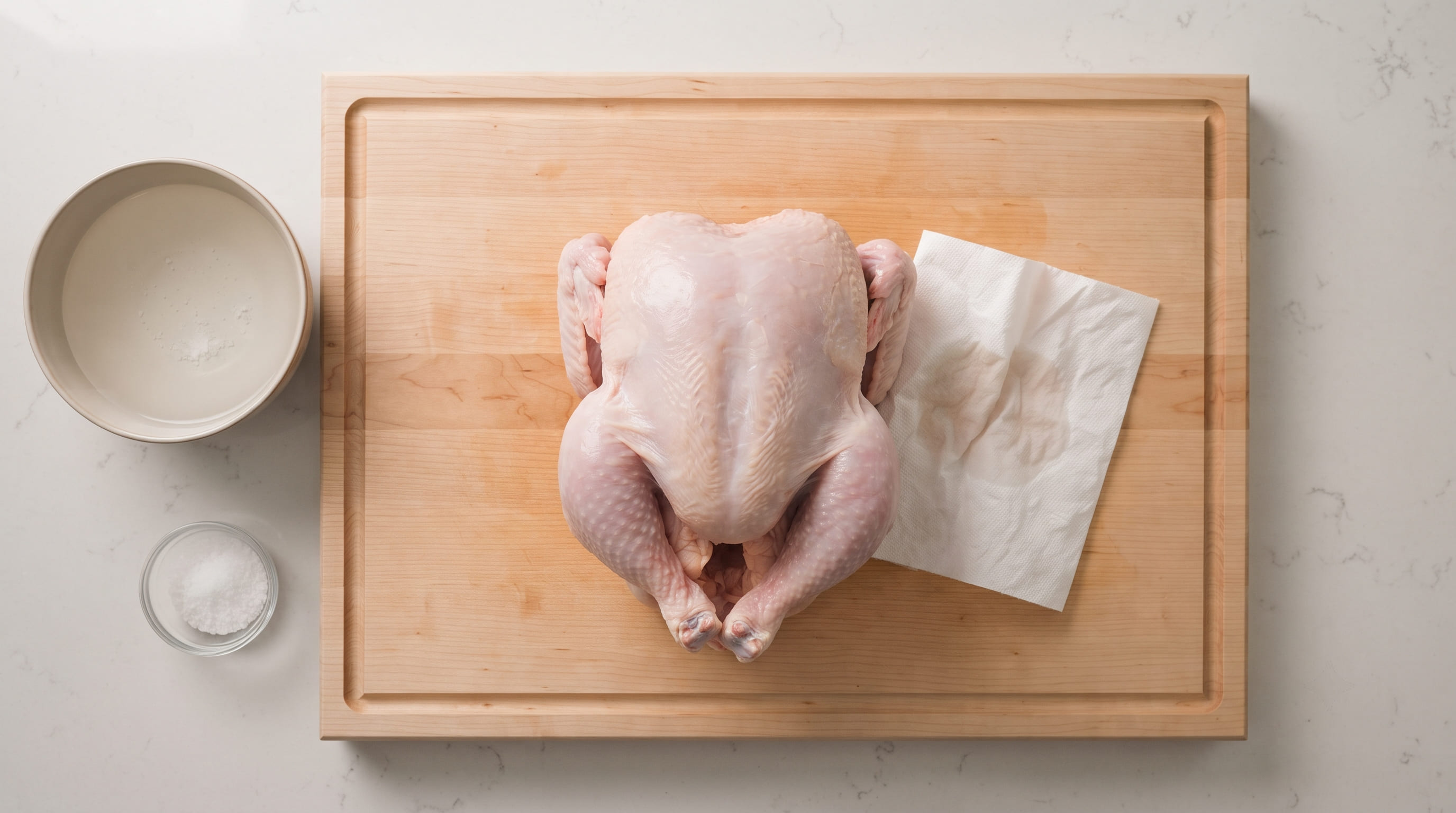
Step 3: Season and Dry the Skin
Apply a light coat of oil or mustard, then your rub. A simple rub works well: paprika, garlic powder, onion powder, black pepper, brown sugar and a little salt. Go lighter on salt if you brined.
Let the seasoned chicken sit at room temperature for 30 minutes while the smoker comes up to temperature. This lets the rub settle and helps the surface dry out, which improves bark on the skin.
Step 4: Set Up the Smoker
Target a steady temperature of 250°F to 275°F. This range renders fat slowly, keeps the meat moist and produces clean smoke.
Use indirect heat. On a charcoal or gas grill, place the chicken away from the direct flame. On a pellet or electric smoker, the setup is simpler, but the same principle applies: keep the meat out of direct flame or direct heat from the element.
Let the smoke run for about 20 to 30 minutes before the chicken goes on, so the first thick white smoke has cleared. Heavy white smoke makes the meat taste bitter.
Step 5: Choose Your Wood
Mild woods suit chicken best.
- Apple: Sweet, mild and popular for chicken. A reliable default.
- Cherry: Adds a light reddish color and a gentle fruity note.
- Pecan: Mild and nutty, with a little more depth than fruitwoods.
- Hickory: Stronger and bacon-like. Use it sparingly, because it can overpower chicken.
- Mesquite: Very strong and intense. Best avoided for a first smoke.
Use a few chunks for a long cook, or a small handful of chips for a short one. Too much wood makes the chicken taste harsh.
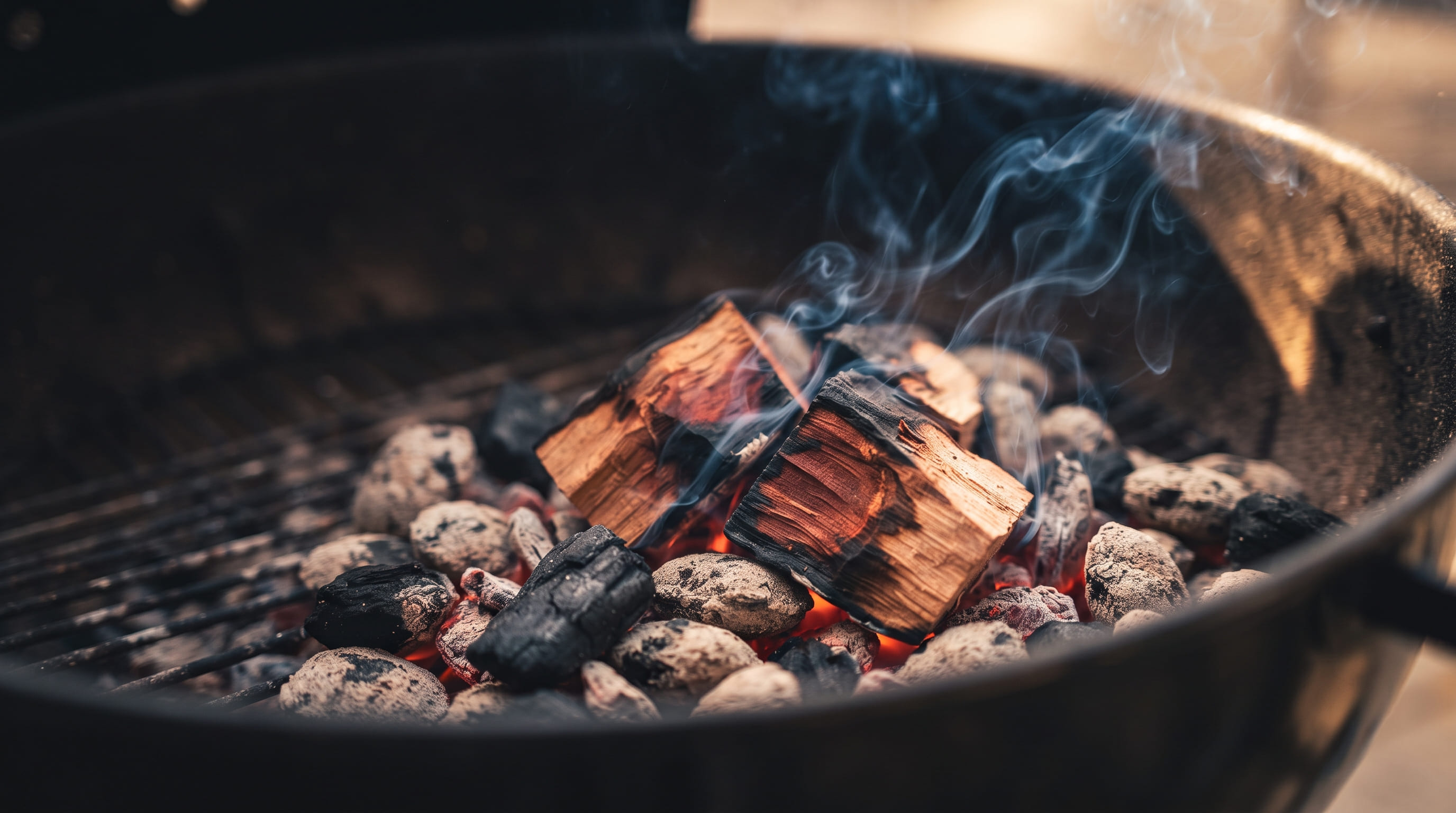
Step 6: Smoke the Chicken
Place the chicken skin side up on the grate, away from direct heat. Insert the leave-in probe into the thickest part of the breast or thigh without touching bone.
Estimated times at 250°F to 275°F:
- Whole chicken, 4 lb: about 3 to 4 hours
- Spatchcocked chicken: about 1.5 to 2.5 hours
- Bone-in thighs: about 1.5 to 2 hours
- Drumsticks: about 1.5 to 2 hours
- Wings: about 1.5 to 2 hours
- Boneless breasts: about 1.5 to 2 hours
These times vary with the smoker, the weather and the bird's size. Use temperature, not time, to decide when the chicken is done.
Target Temperatures
- Whole bird and breasts: pull at 165°F in the thickest part of the breast and the innermost part of the thigh
- Thighs and drumsticks: pull at 175°F to 185°F for the best texture
- Wings: pull at 175°F or above
Check the temperature in at least two spots. A bird can read 165°F in the breast while the thigh is still undercooked.
Step 7: Crisp the Skin (Optional)
Smoked chicken skin often stays rubbery. To fix that, raise the smoker or grill to 350°F to 400°F for the last 5 to 10 minutes. Watch closely so the sugar in the rub doesn't burn.
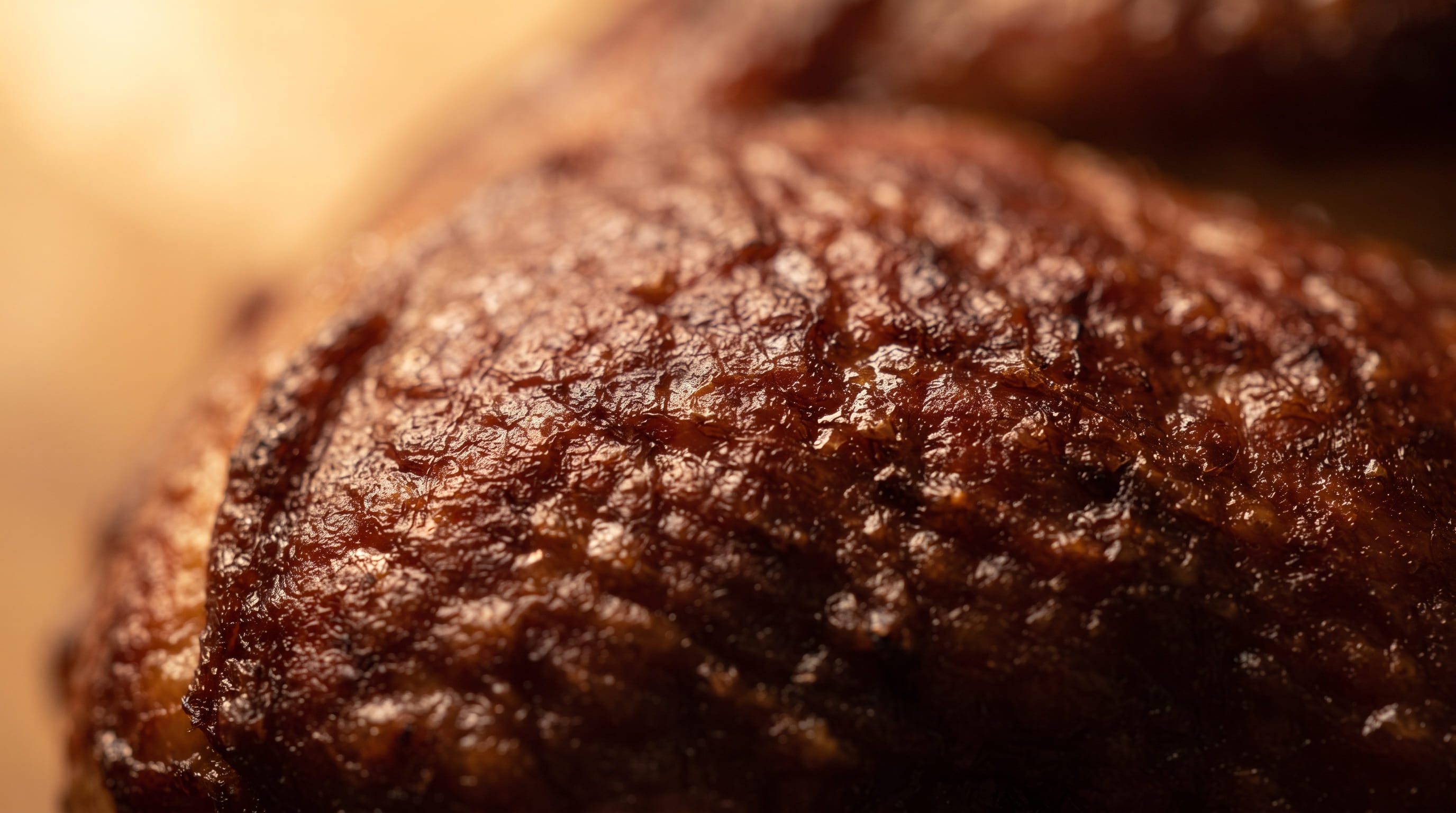
Step 8: Rest and Serve
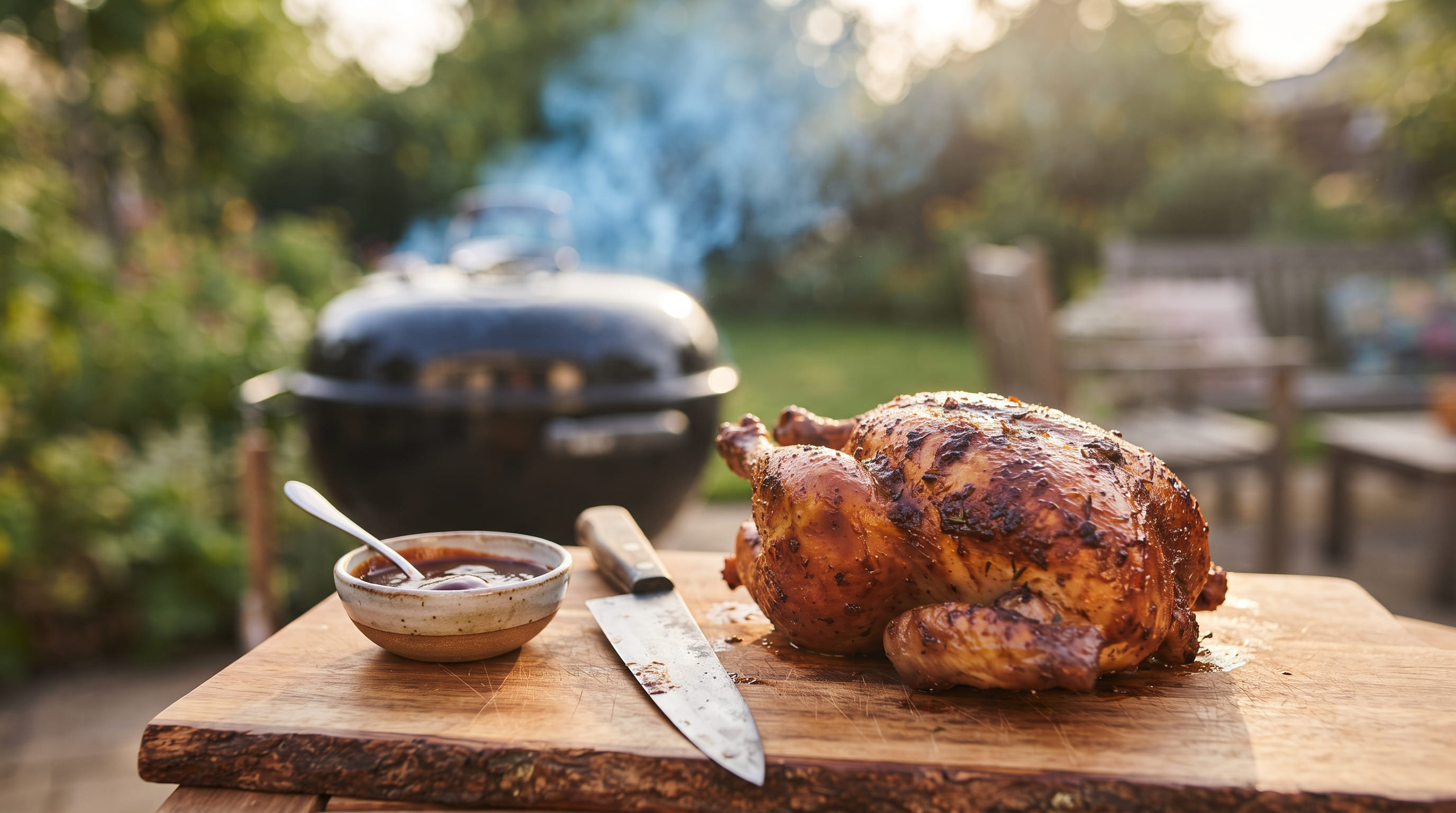
Move the chicken to a clean pan and rest it for 10 to 15 minutes. Resting lets the juices settle, so they stay in the meat when you cut it. Carve whole birds after resting. Serve with sauce on the side if you want a sweeter finish.
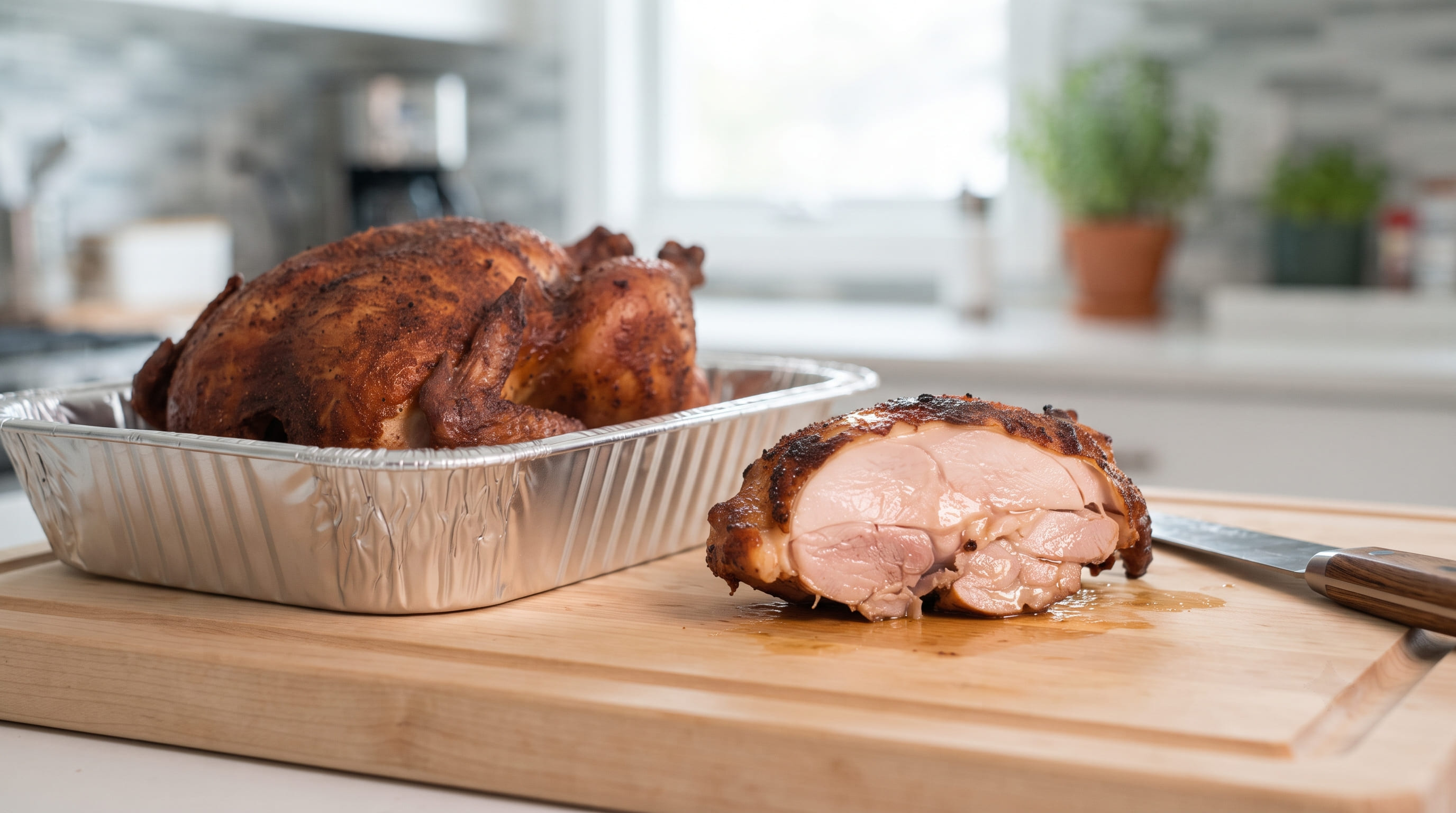
Food Safety
- Keep raw chicken refrigerated until it goes on the smoker.
- Don't leave cooked or raw chicken at room temperature for more than two hours.
- Use separate cutting boards and utensils for raw and cooked chicken.
- Wash your hands and surfaces after handling raw poultry.
- Confirm doneness with a probe thermometer, not color. Smoked skin can look done before the meat is.
Common Mistakes
Smoking at too high a temperature. Cooking above 300°F dries out the breast before the thighs are ready. Stay in the 250°F to 275°F range.
Using too much wood. Heavy smoke, especially from hickory or mesquite, makes chicken bitter. A few chunks go a long way.
Pulling by time alone. Smokers vary a lot. Probe the meat.
Skipping the dry step. Wet skin steams instead of browning. Pat the bird dry after brining and let the rub sit on the surface.
Cutting too soon. Juices run out if you carve straight off the smoker. Rest the meat first.
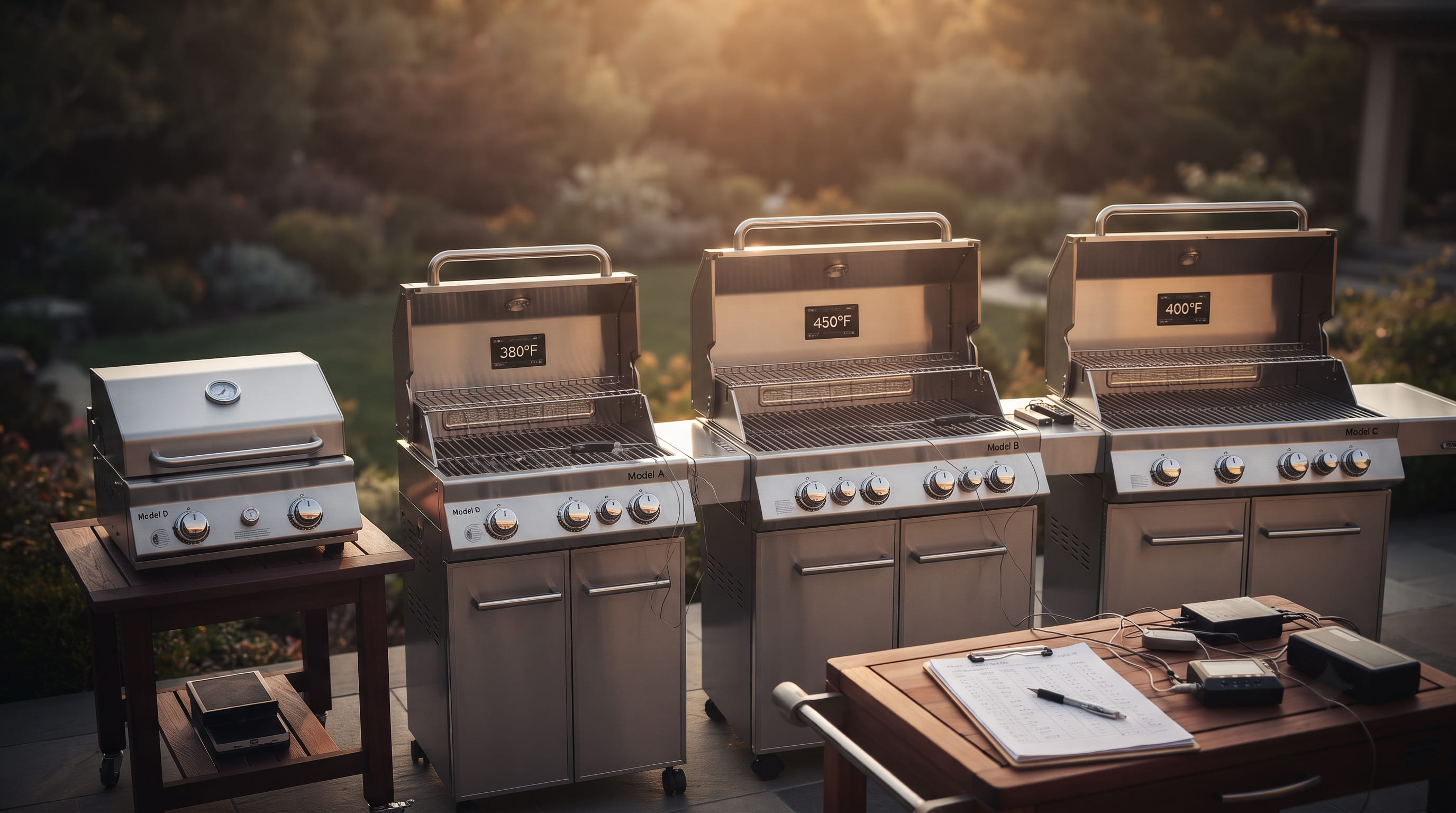
Reviewed Smokers and Grills for Smoked Chicken
These picks come from our own reviews. Each recommendation reflects what that review reports about chicken cooks.
Best Electric Smoker for Hands-Off Chicken: Masterbuilt 40-Inch Digital Electric Smoker
Our review (read the full review) describes a batch of smoked chicken thighs cooked at 250°F, which developed a visible smoke ring. The review also notes that flavor was the mildest of the smokers we tested, so it suits buyers who want steady temperatures and less effort more than strong smoke flavor. Price: $349–$399.
Best Gas Smoker for Chicken Thighs: Pit Boss 3-Series Vertical Gas Smoker
The Pit Boss 3-Series review reports smoked chicken thighs at 250°F with a visible smoke ring, and it names this smoker the fastest to reach temperature among the models we tested. The review also says the smoke flavor is milder than wood-heavy smokers. Price: $339–$399.
Best Ceramic Option for Whole Chicken: Kamado Joe Classic Joe 18
The Kamado Joe Classic Joe 18 review covers two roasted whole chicken cooks using its Divide & Conquer indirect setup. The review rates this grill 4.7 out of 5 and calls it the most versatile single grill we tested. It is the most expensive option here. Price: $1,350–$1,450.
Best Pellet Grill for Chicken Thighs: Traeger Woodridge
The Traeger Woodridge review includes a weeknight chicken thigh cook on its standard smoke setting, and the review rates it 4.7 out of 5. Price: $869–$899.
Quick Reference
| Cut | Smoker temp | Pull temp | Approx. time |
|---|---|---|---|
| Whole chicken (4 lb) | 250–275°F | 165°F breast | 3–4 hours |
| Spatchcocked chicken | 250–275°F | 165°F breast | 1.5–2.5 hours |
| Bone-in thighs | 250–275°F | 175–185°F | 1.5–2 hours |
| Drumsticks | 250–275°F | 175°F+ | 1.5–2 hours |
| Wings | 250–275°F | 175°F+ | 1.5–2 hours |
| Boneless breasts | 250–275°F | 165°F | 1.5–2 hours |
Frequently Asked Questions
What internal temperature is safe for smoked chicken? 165°F in the thickest part of the breast is the USDA food safety target for poultry. Dark meat is often pulled higher for tenderness.
How long does it take to smoke a whole chicken? A 4 lb whole chicken usually takes 3 to 4 hours at 250°F to 275°F. Spatchcocking reduces that to roughly 1.5 to 2.5 hours.
What is the best wood for smoking chicken? Apple and cherry are the most reliable choices. Pecan works well too. Hickory and mesquite are strong and best used lightly.
Should I brine chicken before smoking? A brine adds moisture and seasoning, especially for boneless breast. For whole birds, a 6 to 12 hour brine gives the best result.
Why is my smoked chicken skin rubbery? Skin often stays soft on a smoker because the temperature is too low to crisp it. Finish the chicken at 350°F to 400°F for 5 to 10 minutes, and dry the skin well before cooking.
Can I smoke frozen chicken? Thaw it completely first in the refrigerator. Frozen chicken cooks unevenly and can stay in the unsafe temperature range too long.
Do I need to flip the chicken while smoking? No. Keep the skin side up for the whole cook so it stays crisp and the rub doesn't wash off.
Related Guides
Ready to shop? Check out our Smoking Wood Guide: Flavor Pairings or browse our top-rated grill picks to find your perfect match.