Direct vs Indirect Grilling Explained
Direct vs indirect grilling explained: which technique to use for burgers, steaks, whole chickens, and ribs, plus how to set up both zones on any grill.
The One Technique That Separates Good Grillers From Great Ones
Understanding when to cook food directly over heat versus away from it is the single biggest technique gap we see between beginner and experienced grillers. Get it wrong and you end up with a burnt exterior and raw center on a thick cut, or a bland, pale result on something that needed a hard sear. This guide breaks down exactly when to use each technique and how to set up both zones on any grill you own.
Quick Answer: Which Technique to Use
| Food | Technique | Why |
|---|---|---|
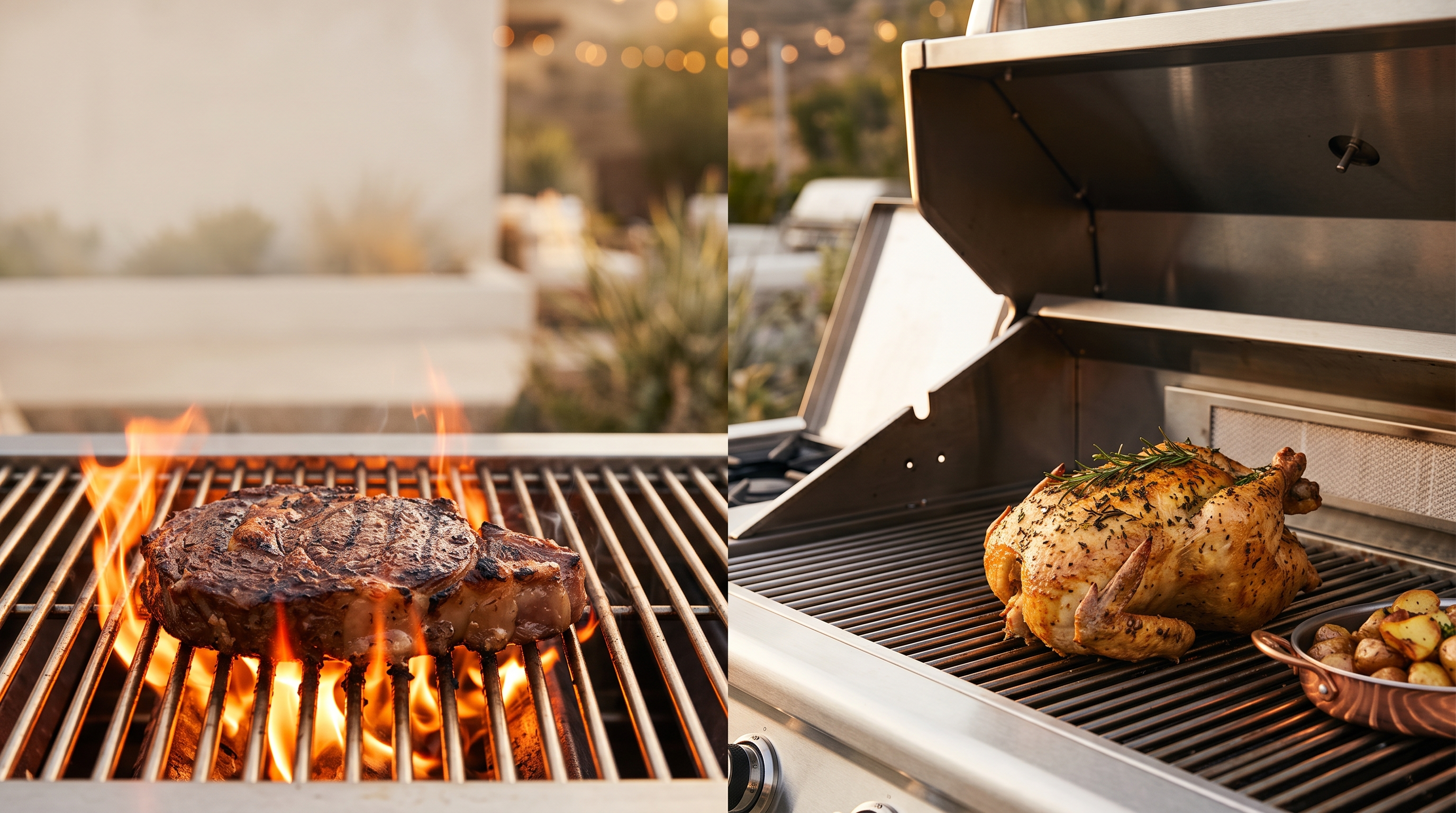
| Burgers, hot dogs, thin steaks | Direct | Fast cook time, high heat develops a crust before the inside overcooks |
| Thick steaks, bone-in chicken pieces | Direct + Indirect (reverse sear) | Sear for crust, finish gently for even doneness |
| Whole chicken, roasts | Indirect | Long cook time needs even, oven-like heat without burning the exterior |
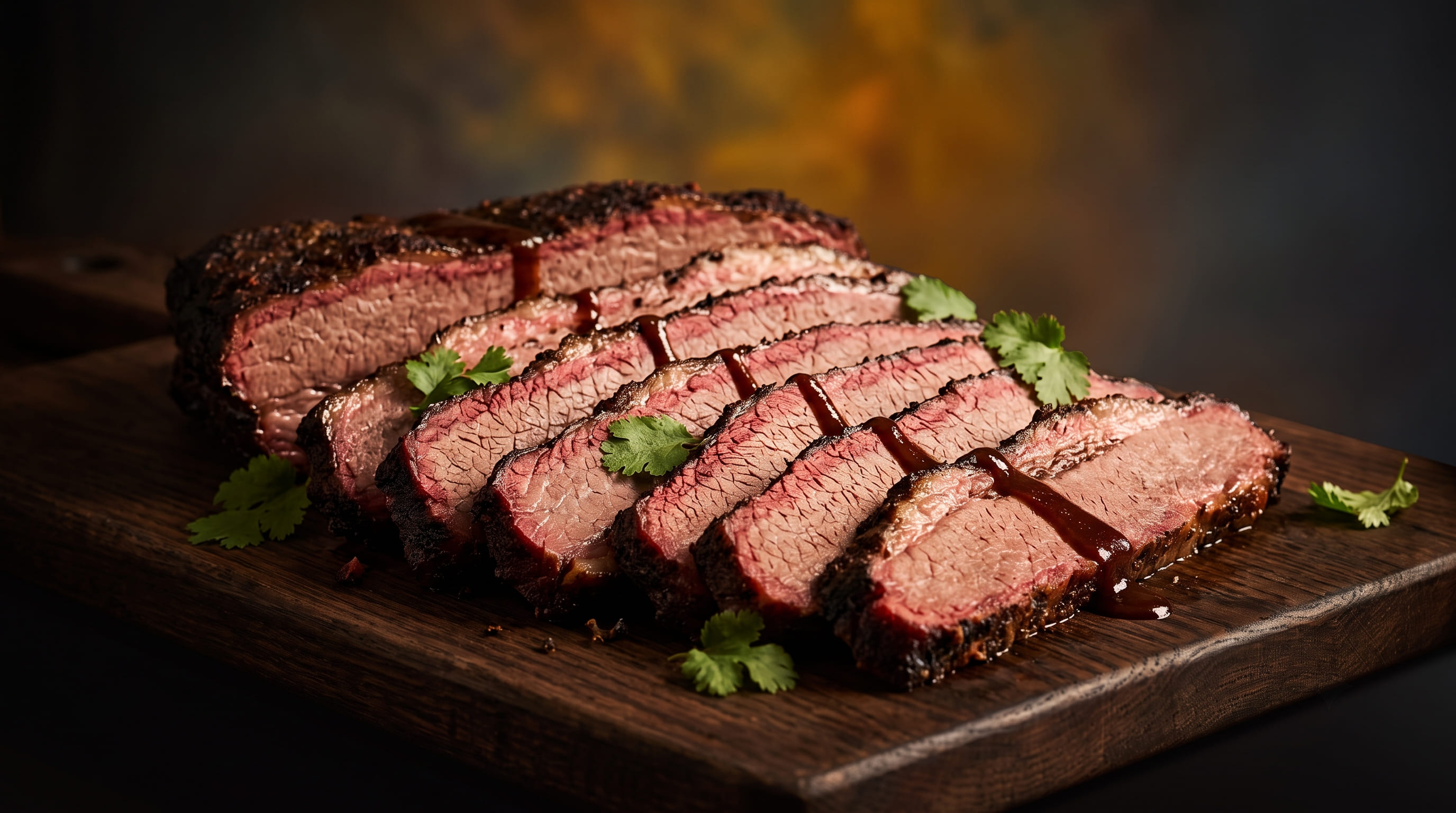
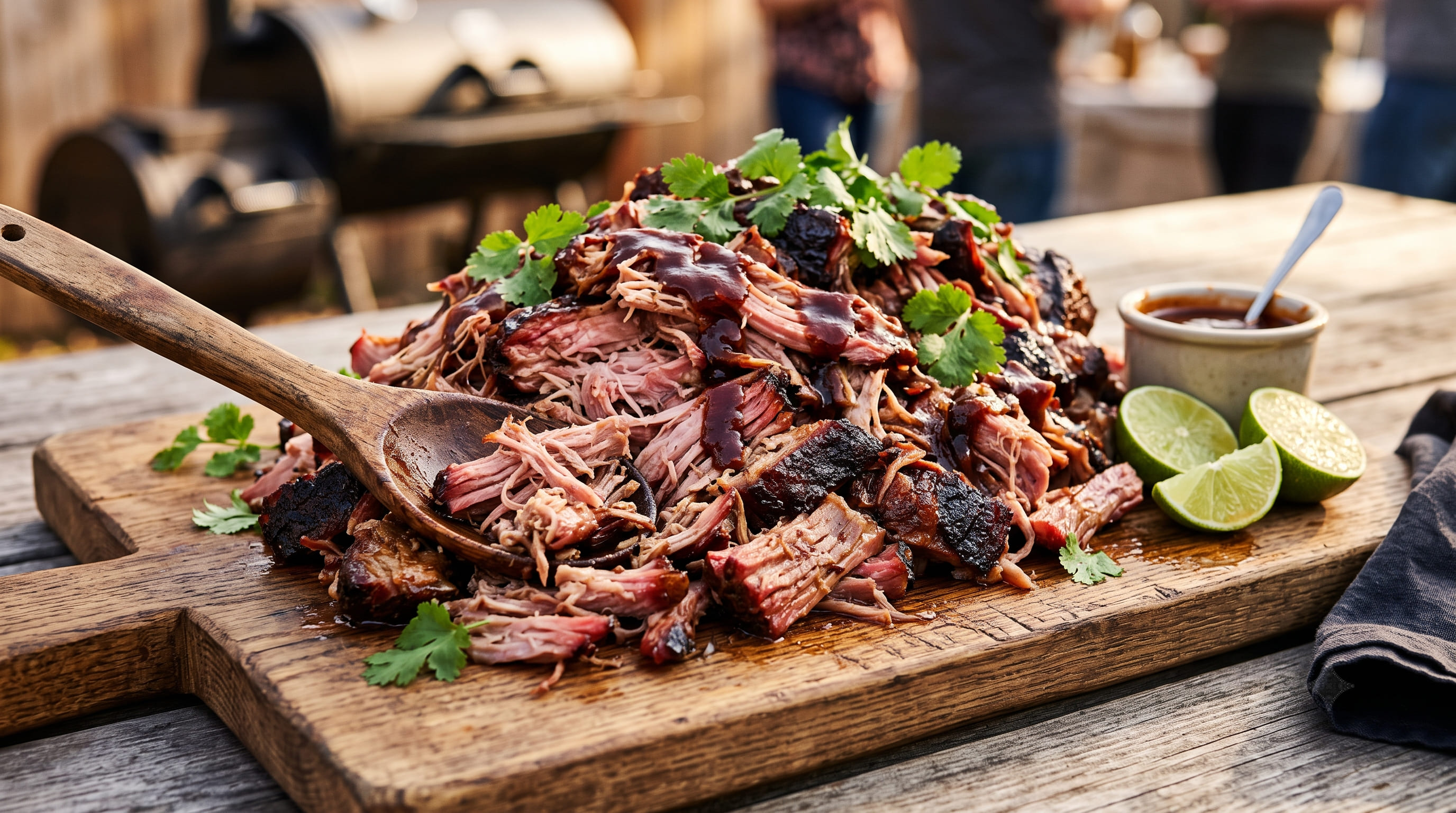
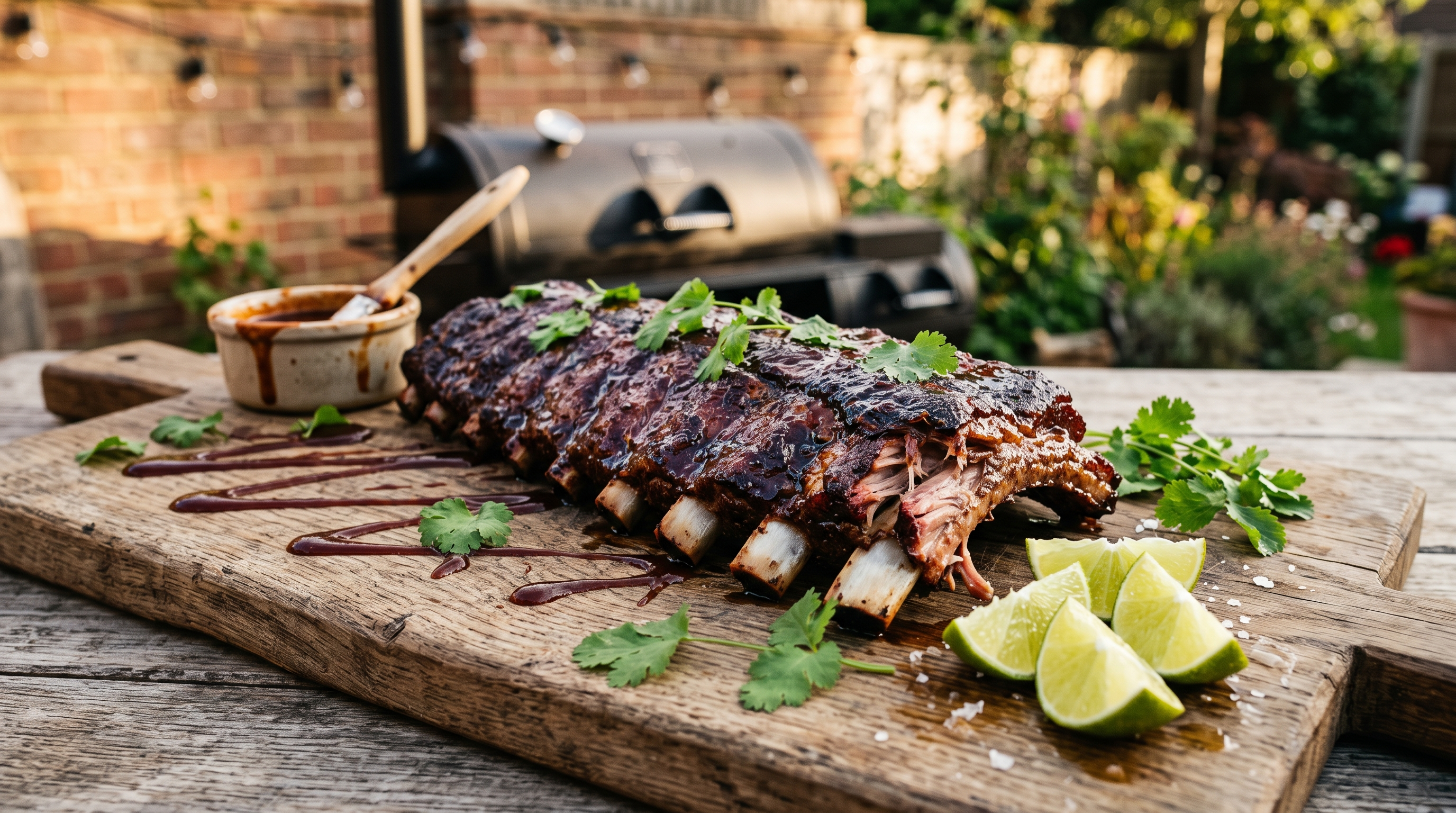
| Ribs, pork shoulder, brisket | Indirect | Low-and-slow requires heat away from direct flame for hours |
| Vegetables, kebabs | Direct | Quick cook time benefits from direct char and speed |
If you remember one rule: anything you can cook in under 20 minutes generally works fine direct; anything longer genuinely needs indirect heat to avoid burning the outside before the inside finishes.
What Direct Grilling Actually Is
The Basics
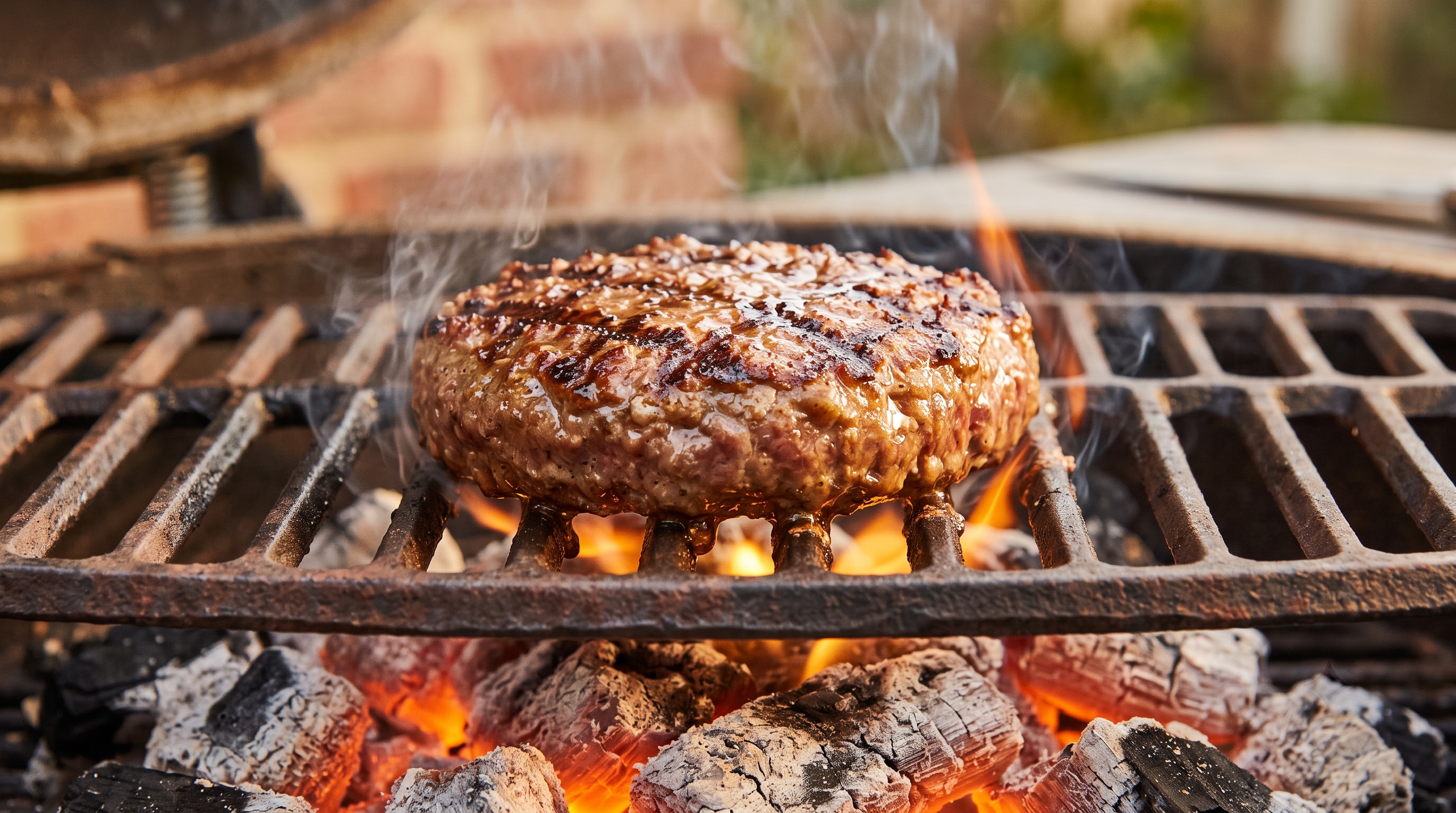
Direct grilling means food sits right over the heat source — burning charcoal, a lit gas burner, or an active firepot — cooking primarily through radiant heat from below. This produces fast cook times and the char and sear marks people associate with classic grilling.
Best Uses
Burgers, hot dogs, thin cuts of steak, chicken breasts, and vegetables all suit direct heat well. Our tested Weber Spirit E-325 produced steakhouse-quality sear marks on a ribeye in under 3 minutes per side using direct heat from its Sear Zone burners.
The Risk
Direct heat cooks the exterior fast, which is exactly the problem for thick or dense cuts — by the time the inside reaches a safe or desired temperature, the outside has often burned. This is why direct-only cooking doesn't scale to larger cuts or longer cook times.
What Indirect Grilling Actually Is
The Basics
Indirect grilling positions food away from the direct heat source, cooking through convection heat with the lid closed — functionally similar to an oven. Heat and smoke circulate around the food rather than blasting it from directly below.
Best Uses
Whole chickens, roasts, ribs, pork shoulder, and brisket all need indirect heat because their long cook times would burn the exterior under direct heat long before the interior finished. Our tested Weber Smokey Mountain 18-Inch held a steady 225°F indirect for over 9 hours using this principle, producing tender results without any exterior burning.
Why It Works
Lower, more even heat gives connective tissue in tougher cuts time to break down slowly, and gives larger cuts time to reach a safe internal temperature throughout without the outside overcooking first.
How to Set Up Both Zones on Any Grill
On a Charcoal Grill
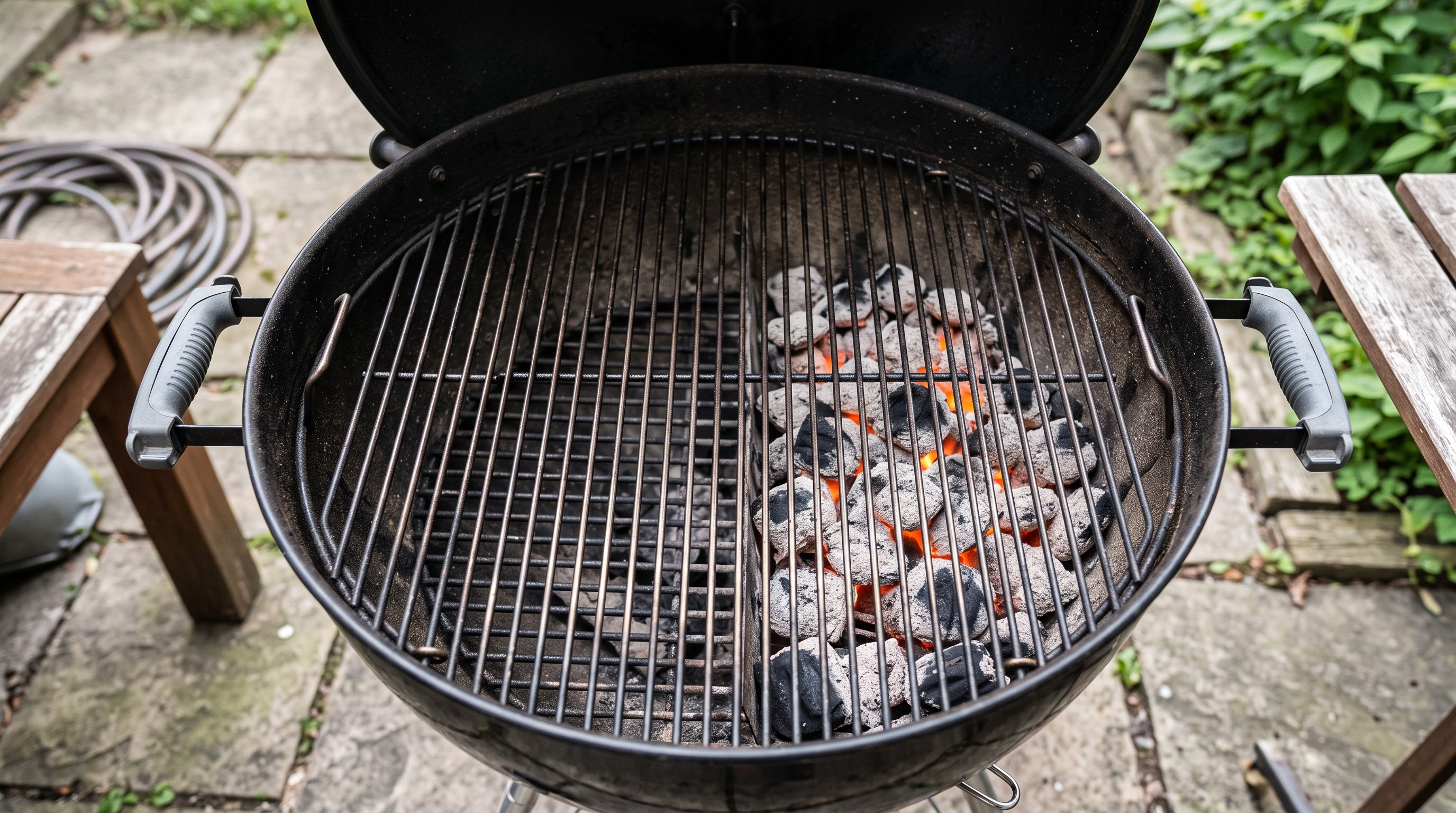
Two-Zone Charcoal Setup
Pile charcoal on one side of the grill, leaving the other side empty. The charcoal side is your direct zone; the empty side is your indirect zone. Our tested Weber Original Kettle 22-Inch used this exact setup for searing steaks hard on the hot side, then finishing them gently on the cool side without flare-ups.
The Snake Method for Extended Indirect Cooks
For longer indirect cooks, arrange charcoal in a curving line around the kettle's edge rather than a pile, so it burns slowly and sequentially — this is how a basic kettle grill can hold a steady low temperature for hours, effectively becoming a smoker. For a full breakdown of vent adjustments and holding steady heat over hours, see our charcoal grill temperature control guide.
On a Gas Grill
Light only some of the burners, leaving at least one zone off. The lit-burner side is direct; the unlit side, with the lid closed, becomes an indirect zone using convection heat from the adjacent burners.
On a Pellet Grill
Most pellet grills, including our tested Traeger Pro 34, are indirect-heat by design, since the fire sits below a heat diffuser rather than directly under the food. Models with a dedicated direct-flame feature, like the Pit Boss 150's Flame Broiler, add a true direct-heat option by exposing food to the firepot's flame when the slide plate is open.
The Reverse Sear: Combining Both Techniques
Why It Works So Well on Thick Cuts
For thick steaks or bone-in chicken pieces, the best results often come from combining both techniques: cook the food indirectly first to bring it close to your target internal temperature evenly, then finish with a short, hard direct sear to build a crust. This avoids the classic problem of a burnt exterior with an undercooked center.
How to Do It
- Set up a two-zone grill as described above.
- Cook the food on the indirect side until it's close to your target internal temperature (check with a probe thermometer).
- Move it to the direct side for 1–2 minutes per side to develop a crust.
- Rest briefly before serving.
Common Mistakes With Zone Cooking
Skipping the Thermometer
Judging doneness by time alone, rather than internal temperature, is the single most common mistake we see with both direct and especially indirect cooking. A thick cut can look perfectly done on the outside while being significantly under or overcooked inside — a probe thermometer removes the guesswork entirely.
Opening the Lid Too Often During Indirect Cooks
Every time you open the lid during an indirect cook, you lose accumulated heat and extend the total cook time. This matters far more for indirect cooking, which relies on that steady, enclosed convection heat, than for quick direct cooks where the lid is often open anyway.
Using the Wrong Zone for the Wrong Food
Cooking a whole chicken directly over high heat, or trying to sear a thin burger patty using indirect heat, both produce worse results than matching the technique to the food. When in doubt, use the guidance in the quick-answer table at the top of this guide as your default starting point.
Frequently Asked Questions
What's the difference between direct and indirect grilling?
Direct grilling cooks food right over the heat source for fast, high-heat results like searing. Indirect grilling positions food away from direct heat, using convection with the lid closed for slower, more even cooking suited to larger cuts.
When should I use indirect heat instead of direct?
Use indirect heat for anything that takes longer than about 20 minutes to cook through, or larger cuts like whole chickens, ribs, or roasts. Direct heat is best for burgers, thin steaks, hot dogs, and vegetables that cook quickly.
Can every grill do both direct and indirect cooking?
Yes, with the right setup. Charcoal and gas grills create both zones by concentrating fuel or lit burners on one side and leaving the other side empty or unlit. Most pellet grills are indirect by design, though some, like the Pit Boss 150, add a direct-flame option.
What is a reverse sear and when should I use it?
A reverse sear cooks food indirectly first to bring it evenly close to target temperature, then finishes with a short direct-heat sear for crust. It works especially well on thick steaks or bone-in chicken pieces where direct heat alone risks burning the exterior before the center finishes.
Do I need a thermometer to grill indirect properly?
We strongly recommend one. Indirect cooking relies on internal temperature to judge doneness rather than visual cues like char, since the exterior often looks similar well before and after the food is actually done.
Final Takeaway
Direct and indirect grilling aren't competing techniques — they're complementary tools for different jobs. Fast, thin cuts want direct heat; large or long-cooking items want indirect heat; and many of the best results come from combining both in a single cook. Setting up a genuine two-zone grill, regardless of fuel type, is the single most useful technique upgrade a beginner can make.
Ready to put this into practice? Browse our full best grills or see our best smokers for beginners guide for more on choosing equipment suited to indirect, low-and-slow cooking specifically.
Ready to shop? Browse our top-rated grill picks to find your perfect match.