Why Is My Food Sticking to the Grill?
Why food sticks to a grill and how to fix it: cold grates, low oil, wrong timing, and seasoning issues, with real causes and fixes from our testing team.
Sticking Is Almost Always Fixable
Food welded to the grate isn't bad luck or a defective grill — it's one of a small set of predictable causes, and once you know which one applies, the fix usually takes under a minute. This guide walks through every real cause of sticking, from cold grates to skipped seasoning, so you can diagnose your specific situation instead of just adding more oil and hoping.
Quick Diagnostic Table
| Symptom | Most Likely Cause | Fix |
|---|---|---|
| Everything sticks, every time | Cold or dirty grates | Preheat fully, clean before cooking |
| Only lean proteins (chicken, fish) stick | Not enough oil on the food | Oil the food directly, not just the grate |
| Sticks right after placing, releases later | Normal — too early to flip | Wait for a crust to form before attempting to move it |
| New grill or griddle sticks constantly | Missing or incomplete seasoning | Season the surface before regular use |
| Sticks worse over time on cast iron | Seasoning stripped by soap or scrubbing | Re-season the surface |
If you only fix one thing: preheat the grill fully before food goes on, and don't try to flip or move food until it releases on its own. Those two habits alone resolve the majority of sticking complaints we've diagnosed.
Cause 1: The Grate Isn't Hot Enough
Why Heat Matters More Than Oil
A properly preheated grate causes proteins to sear and form a crust quickly, which is what actually releases food from the metal — oil helps, but heat is doing most of the real work. A cold or partially preheated grate lets food sit in direct contact with metal for longer before any crust forms, which is when sticking happens. Our how long to preheat a grill guide covers fuel-specific minimum preheat times — skipping or rushing this step is one of the most common root causes we see behind sticking complaints.
The Fix
Give your grill its full preheat window with the lid closed before food goes on, and confirm the grate itself feels genuinely hot, not just the air inside the lid. A quick way to check: a few drops of water flicked onto a properly heated grate should sizzle and evaporate almost instantly.
Cause 2: You're Trying to Flip Too Early
The Release Happens Naturally
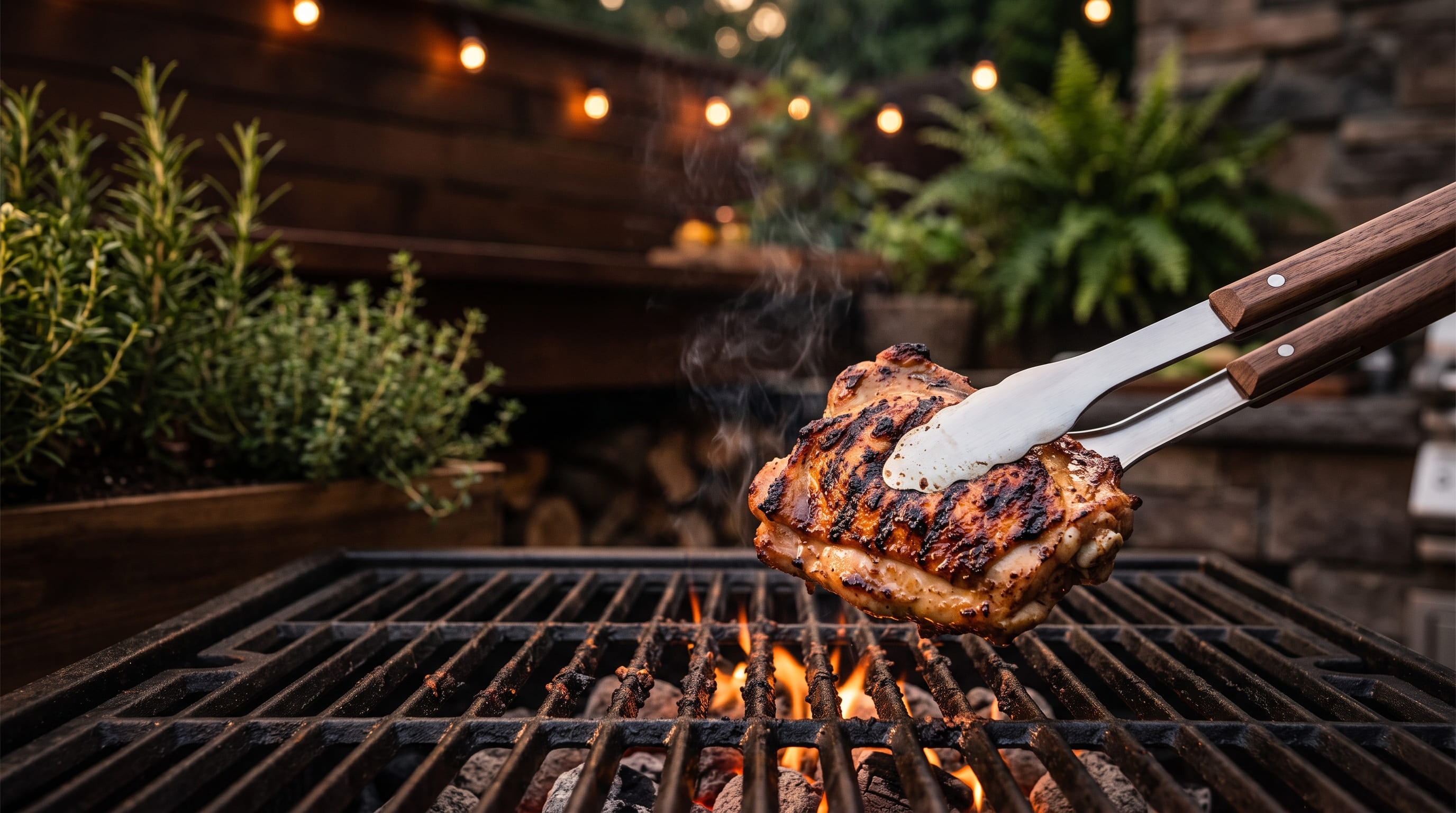
Most proteins genuinely stick to a hot grate for the first minute or two of cooking, then release on their own once a crust forms on the contact side. Forcing a flip before that happens tears the surface of the food and leaves residue stuck to the grate — which then makes the next piece of food stick even worse.
How to Tell When It's Ready
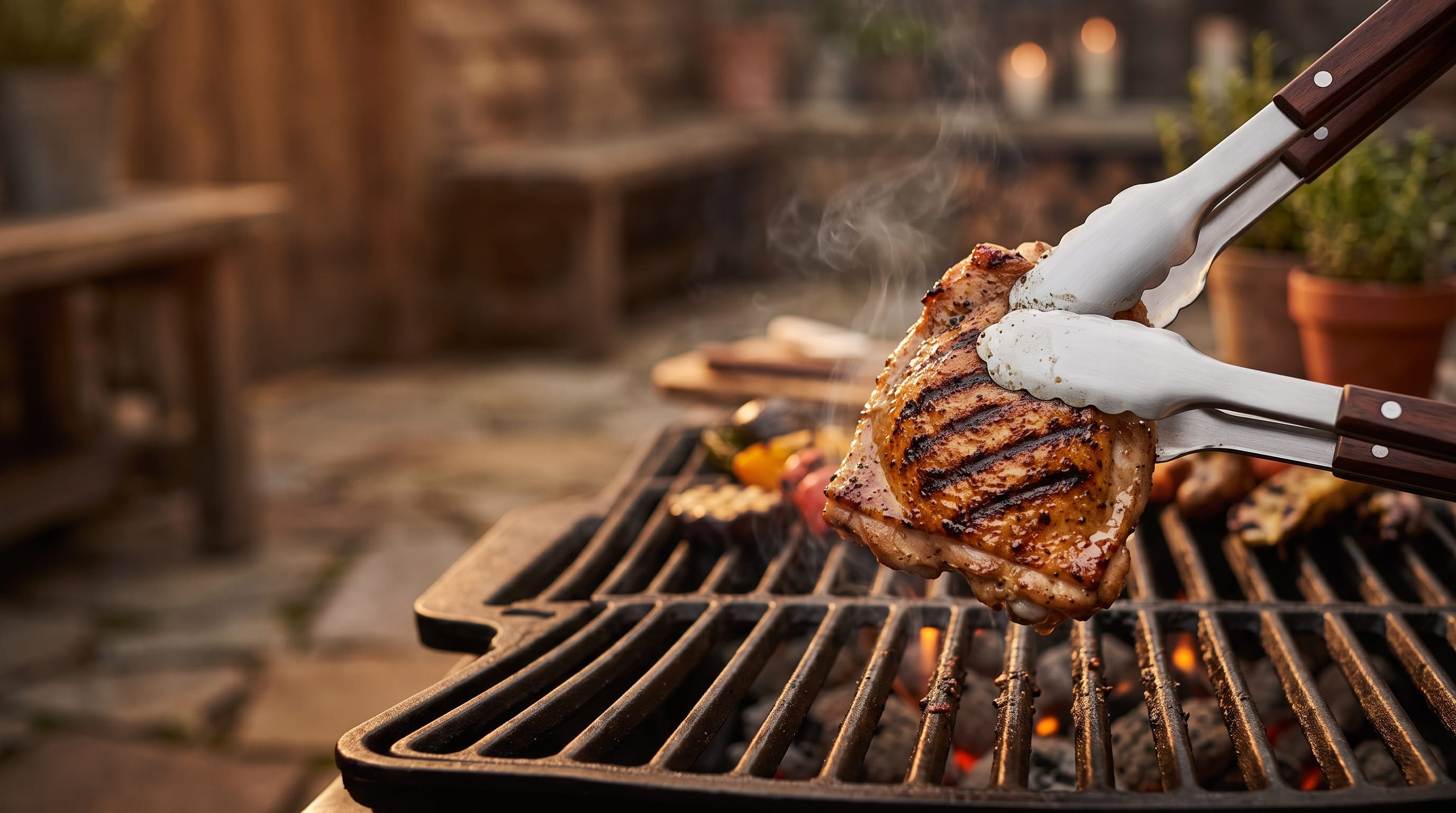
Try a gentle lift with tongs or a spatula rather than forcing it. If the food resists and feels stuck, it's not ready — wait another 30–60 seconds and try again. Once properly seared, most food lifts cleanly with almost no resistance. This applies across fuel types and grill styles, including the two-zone technique covered in our how to grill the perfect steak guide.
Cause 3: Not Enough Oil, or Oil in the Wrong Place
Oil the Food, Not Just the Grate
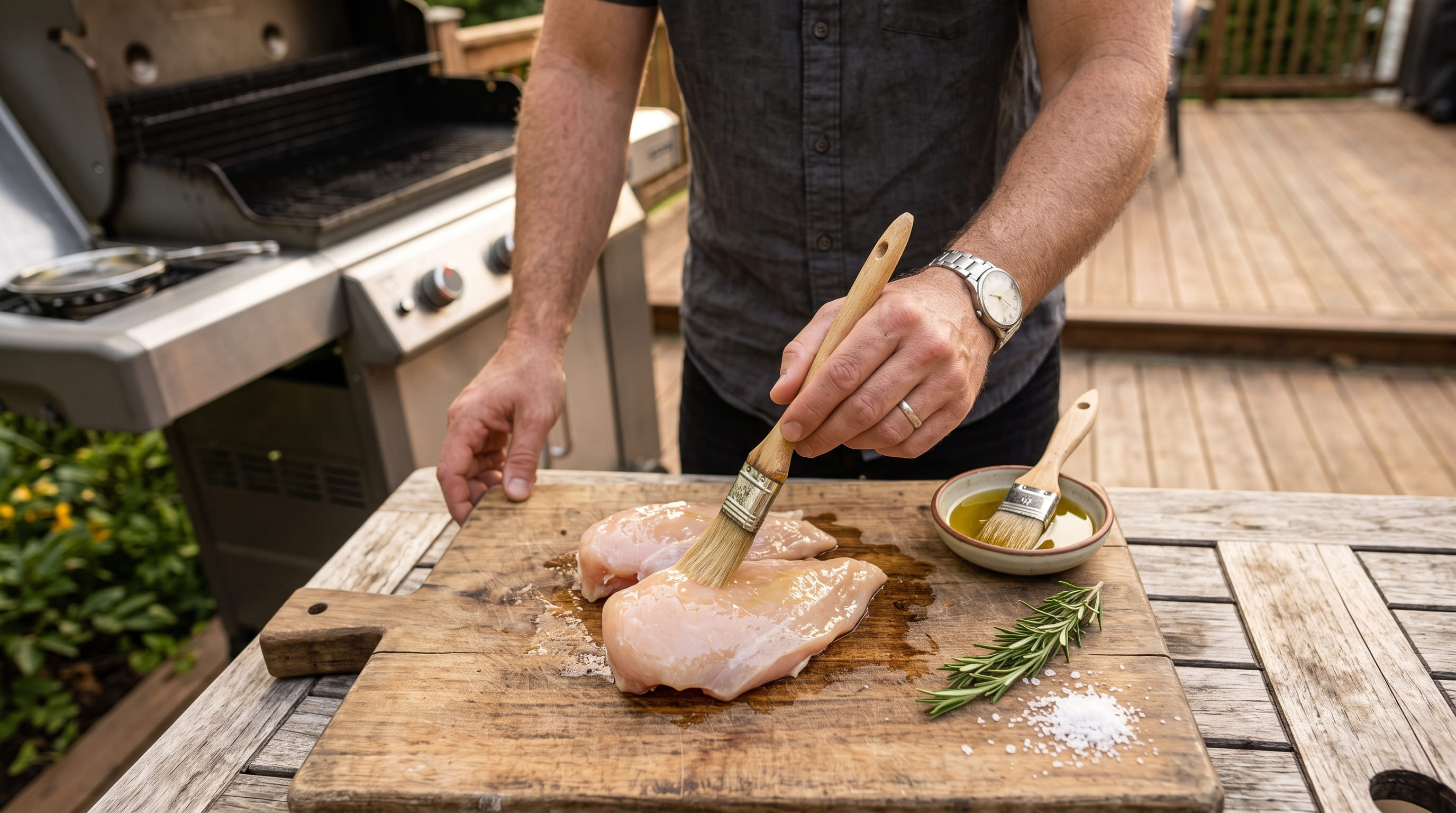
A light coating of oil brushed onto the grate before cooking helps, but it burns off quickly at grilling temperatures and doesn't last through a full cook. Oiling the food itself — a thin coat on the protein or vegetables before they touch the grate — is more effective and longer-lasting, since the oil travels with the food rather than staying behind on the metal.
Lean Proteins Need More Help
Chicken breast, white fish, and other lean cuts have little natural fat to self-lubricate against the grate, which is why they stick more readily than a well-marbled steak or a fatty piece of salmon. These benefit most from a visible, even oil coating before they go on, not just a quick wipe.
High-Smoke-Point Oils Work Best
Oils with a low smoke point burn and turn bitter at typical grilling temperatures rather than protecting the food. Canola, vegetable, grapeseed, and avocado oil all hold up well at high heat; extra virgin olive oil and butter are more prone to burning before the food is done.
Cause 4: Dirty or Residue-Coated Grates
Old Residue Makes New Food Stick
Grates with leftover charred residue from previous cooks give new food something rough and uneven to grip onto, rather than a clean surface to sear against. This compounds over time — a grate that isn't cleaned regularly sticks progressively worse with each use, not just occasionally.
The Fix
Brush grates while still warm immediately after cooking, before residue has a chance to cool and harden — this single habit prevents most buildup-related sticking. Our how to clean grill grates guide covers the full cleaning process by grate material, since porcelain-enameled, bare cast iron, and stainless steel all need slightly different care.
Cause 5: Missing or Damaged Seasoning (Cast Iron and Griddles)
Why Seasoning Exists
A properly seasoned cast-iron grate or flat-top griddle develops a naturally nonstick surface through repeated oil-and-heat cycles — this is a genuine physical layer, not just a coating wiped on before each cook. Skipping this process on a new griddle, or stripping it off an existing one with soap and heavy scrubbing, is one of the most common reasons sticking gets progressively worse rather than better over time.
Signs Your Seasoning Needs Attention
A dull, grey, or patchy surface instead of a smooth, dark, slightly glossy one is the visual sign seasoning has been compromised. Our how to season a griddle guide covers the full build-up process from a bare surface, and applies to the Blackstone Original 36-Inch and similar flat-top units in the same way it does cast-iron grates.
Rebuilding Seasoning
Clean the surface thoroughly, apply a thin layer of high-smoke-point oil, and heat until the oil smokes and darkens, then let it cool. Repeat 2–3 times for a durable base layer — a single pass rarely restores enough protection to solve a genuinely stripped surface.
Cause 6: Sugar and Sauce Applied Too Early
Why Sweet Glazes Stick Fast
Sugary sauces and glazes caramelize and become genuinely sticky at grilling temperatures, adhering to the grate in a way plain seasoned meat doesn't. Applying barbecue sauce or a sweet glaze too early in the cook, while the food is still over direct high heat, is a common and avoidable cause of stuck, torn food.
The Fix
Apply sweet sauces and glazes during the last few minutes of cooking, ideally over indirect heat rather than direct flame, so the sugar caramelizes without burning onto the grate. See our direct vs indirect grilling guide for setting up a cooler zone specifically for this kind of finishing step.
Fuel-Type Considerations
Gas and Charcoal Grates
Both rely on the same fundamentals covered above — heat, oil, timing, and cleanliness. Charcoal grates, particularly porcelain-enameled ones, hold seasoning reasonably well but still benefit from a light oil pass before cooking, especially for lean proteins.
Pellet Grills
Pellet grill grates behave similarly to gas grates, but the lower typical cooking temperatures on long smokes mean food has more time sitting in contact with the grate before a crust forms — a light oil coating matters more here than on a hard, fast sear.
Flat-Top Griddles
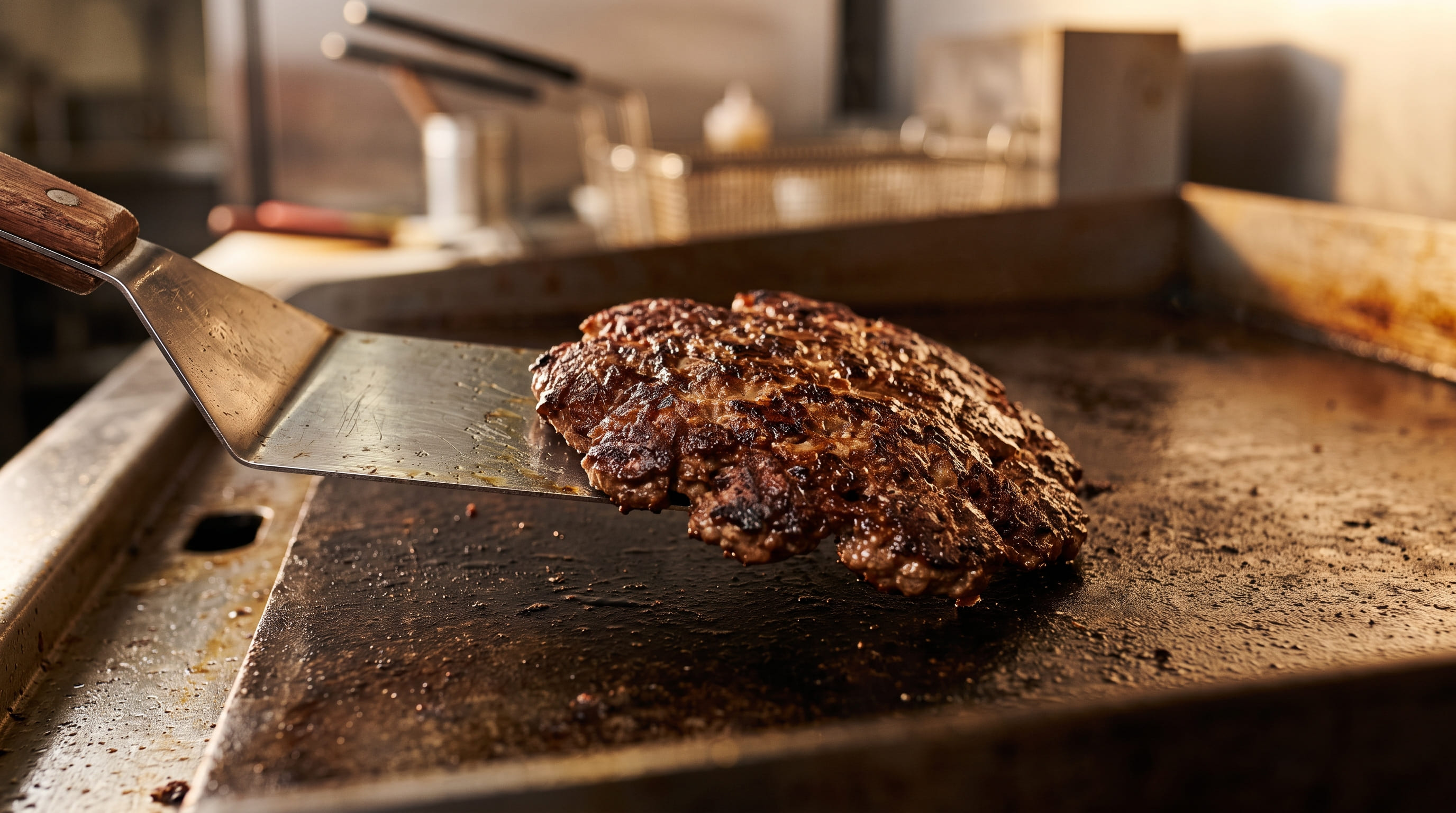
Griddles depend most heavily on proper seasoning, since there are no raised grate bars to limit contact area — the entire underside of the food touches the cooking surface. A well-seasoned griddle like our tested Blackstone Original 36-Inch releases food with minimal oil once properly broken in; a bare or under-seasoned one sticks regardless of technique.
Common Mistakes That Make Sticking Worse
Scraping or Forcing a Stuck Piece
Prying at stuck food with a metal spatula tears the food and leaves more residue behind on the grate, making the next item stick even worse. Back off, give it more time, and try again rather than forcing it.
Over-Oiling the Grate Instead of the Food
A heavily oiled grate can flare up and produce excess smoke without actually preventing sticking any better than a lightly oiled one — a thin, even coat on the food itself is more effective than pooling oil on the grate.
Washing Cast Iron With Soap
Soap strips the seasoning layer on bare cast iron grates and griddles, which is the opposite of what you want if sticking is already a problem. Clean with hot water and a brush instead, then re-oil.
Frequently Asked Questions
Why does chicken always stick to my grill more than other meats?
Chicken breast is lean with little natural fat to self-lubricate against the grate, unlike a well-marbled steak. It needs a more deliberate oil coating on the food itself, plus a fully preheated grate, to release cleanly.
Should I oil the grill grates or the food?
Both help, but oiling the food directly is more effective and longer-lasting, since grate oil burns off quickly at grilling temperatures. A light, even coat on the protein or vegetables before they touch the grate is the more reliable method.
Why does food stick at first but then release on its own?
This is normal. A crust needs to form on the contact side before food naturally releases from a hot grate, which typically takes 1–2 minutes depending on the food. Trying to flip before that crust forms is what causes tearing and sticking, not a sign something is wrong.
Does a dirty grill really cause more sticking?
Yes. Leftover charred residue from previous cooks gives new food a rough, uneven surface to grip onto instead of a clean sear surface, and this compounds over time if grates aren't cleaned regularly.
Why does my new griddle stick so much?
A new, unseasoned griddle has no protective oil layer built up yet — this is expected and normal, not a defect. Proper seasoning before regular use resolves it; see our griddle seasoning guide for the full process.
Should I apply barbecue sauce before or after grilling?
Apply sweet sauces and glazes during the final few minutes of cooking, ideally over indirect heat, since sugar caramelizes and sticks aggressively at high direct heat. Applying it too early is a common cause of torn, stuck food.
Final Takeaway
Sticking almost always comes down to one of six fixable causes: a grate that isn't hot enough, flipping too early, not enough oil on the food, leftover residue, missing seasoning, or sauce applied too soon. Work through them in that order, since heat and timing resolve the largest share of complaints we've diagnosed, before assuming your grill or grate itself is the problem.
For the full cleaning routine that prevents residue buildup, see our grill cleaning and maintenance guide, or if you're working with a flat-top griddle specifically, our how to season a griddle guide covers building that nonstick surface from scratch.
Ready to shop? Browse our top-rated grill picks to find your perfect match.