Why is electric usually allowed when gas isn't?
Most U.S. cities adopt the International Fire Code or NFPA 1. Both bar charcoal and other open-flame cooking devices on combustible balconies, and within 10 feet of combustible construction, in apartment and condo buildings.
The exceptions are buildings with fire sprinklers and LP-gas grills on cylinders no bigger than a nominal 1 lb. Natural gas grills still count as open flame. Electric grills have no flame and no fuel tank, so they are generally permitted.
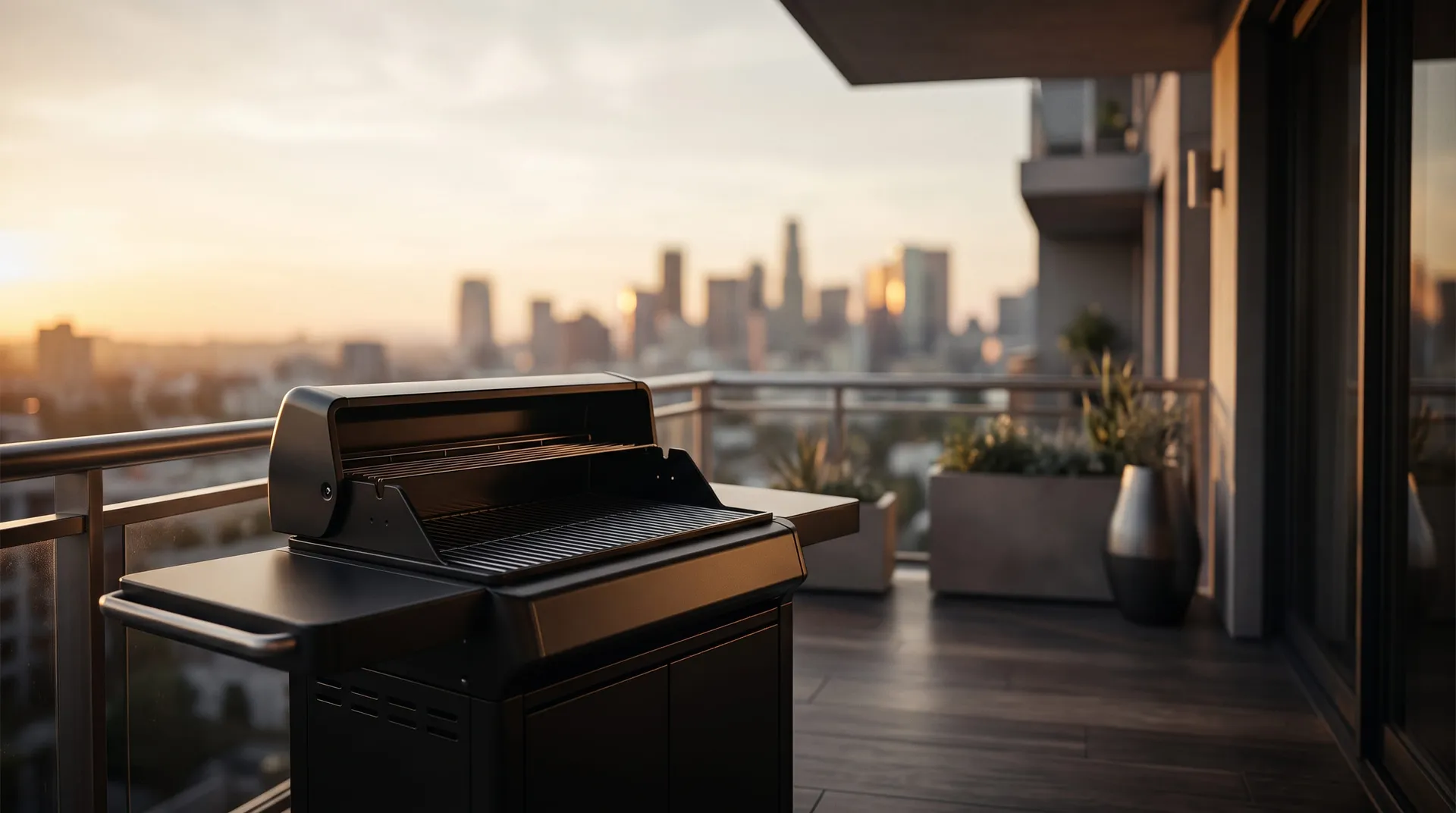
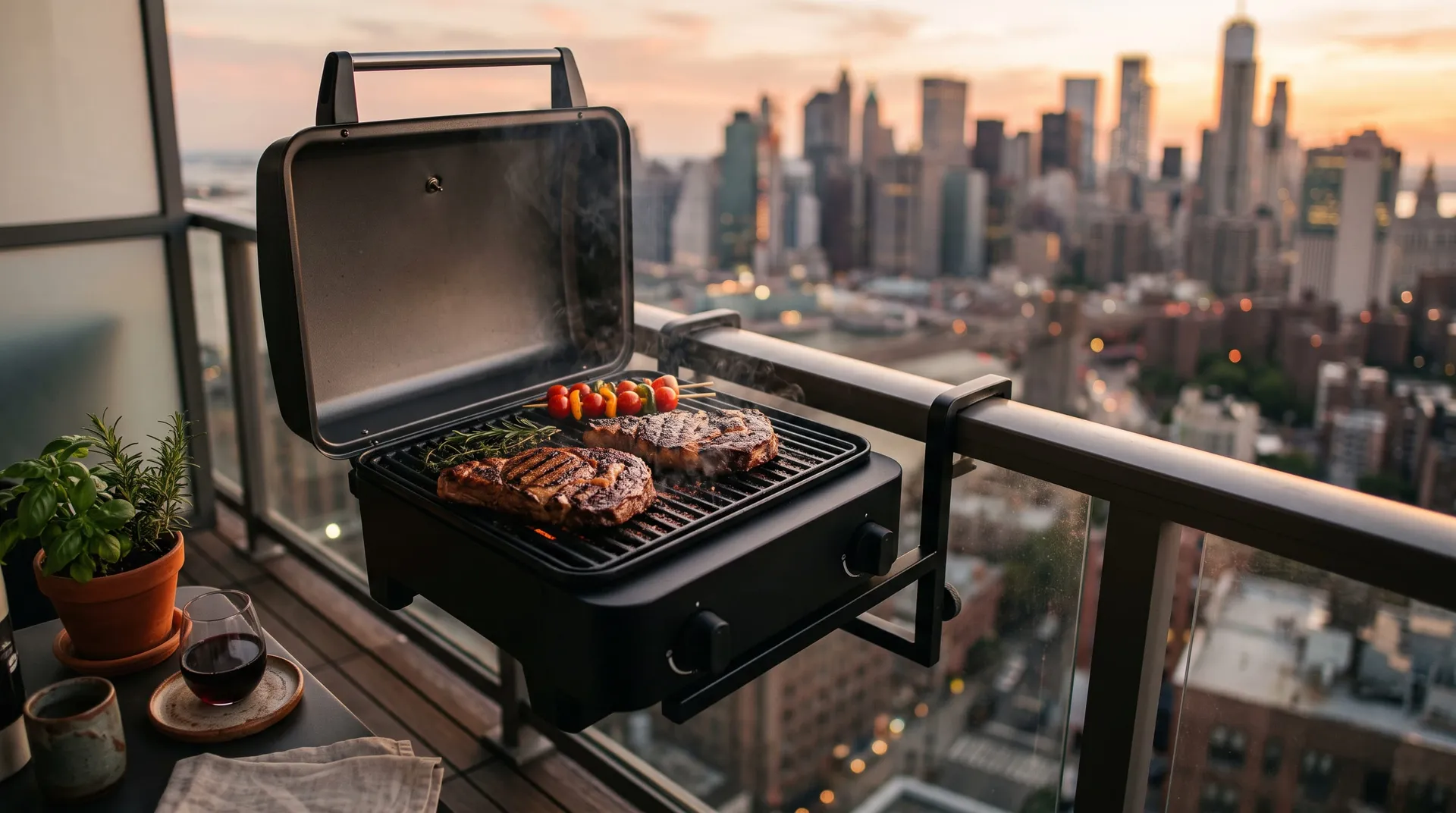 Railing-mount grills save floor space, but check that your building allows anything hung on the railing.
That's the code floor, not the ceiling. Leases and HOA rules can ban all grills, so get permission in writing.
What should you ask your landlord or HOA?
A vague "grills are fine" in an email won't help if a neighbor complains later. Ask specific questions and keep the answers:
- Does the balcony rule cover electric grills, or only open flame and propane?
- Are electric smokers treated the same as electric grills? Some buildings allow one and not the other because of the hours of smoke a smoker makes.
- Is there a minimum distance from walls, railings or windows?
- Are there quiet hours or times when cooking outside isn't allowed?
- Can I run a 1,500 W appliance on the balcony outlet, or does it share a circuit with my heating or lighting?
If the building has a shared rooftop or courtyard grill area, ask whether electric grills or smokers can go there. It's often a better spot for a smoker than a small private balcony, and it keeps smoke away from your own windows.
Indoor or outdoor rated?
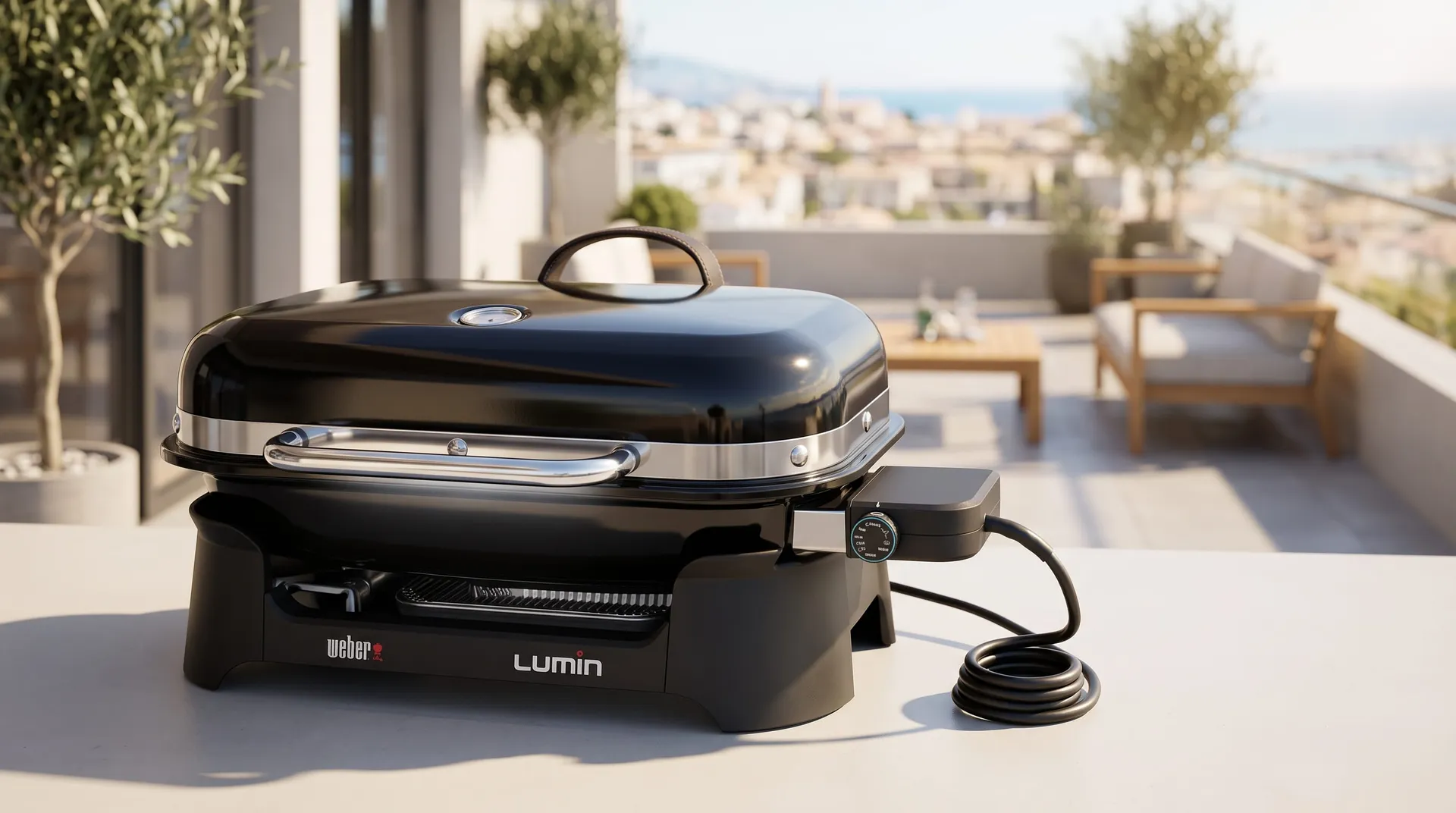
Never use an indoor countertop grill outside, or an outdoor grill in your kitchen. Outdoor models like the Lumin are built for weather. Countertop grills aren't built for rain, dew or wet floors, and their controls aren't sealed against moisture.
Whichever you buy, look for a UL or ETL mark on the cord or base. Both show the appliance was tested to U.S. electrical safety standards by a recognized lab, which matters more for a 1,500 W heater than for most kitchen gadgets.
Will your outlet handle it?
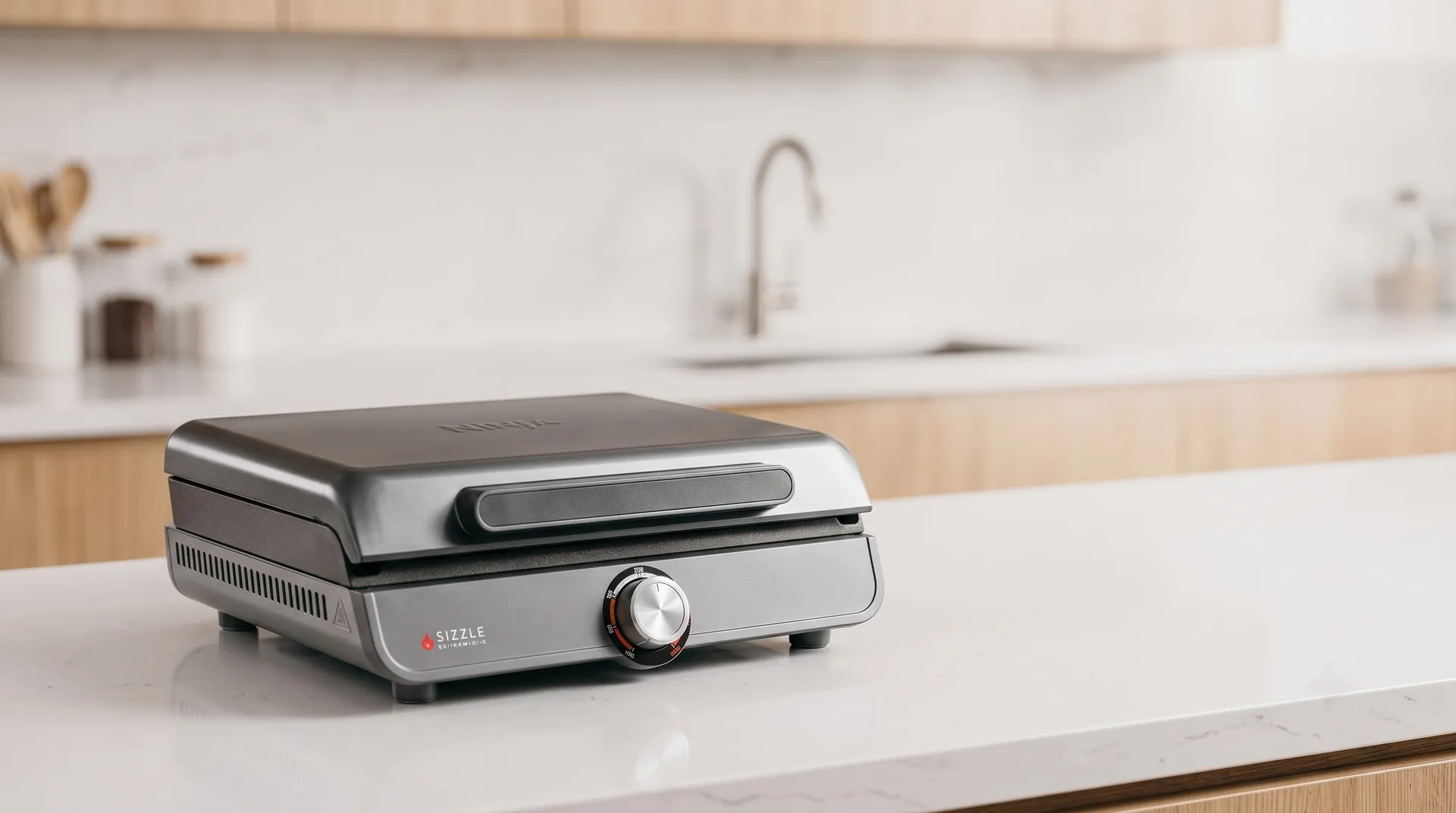
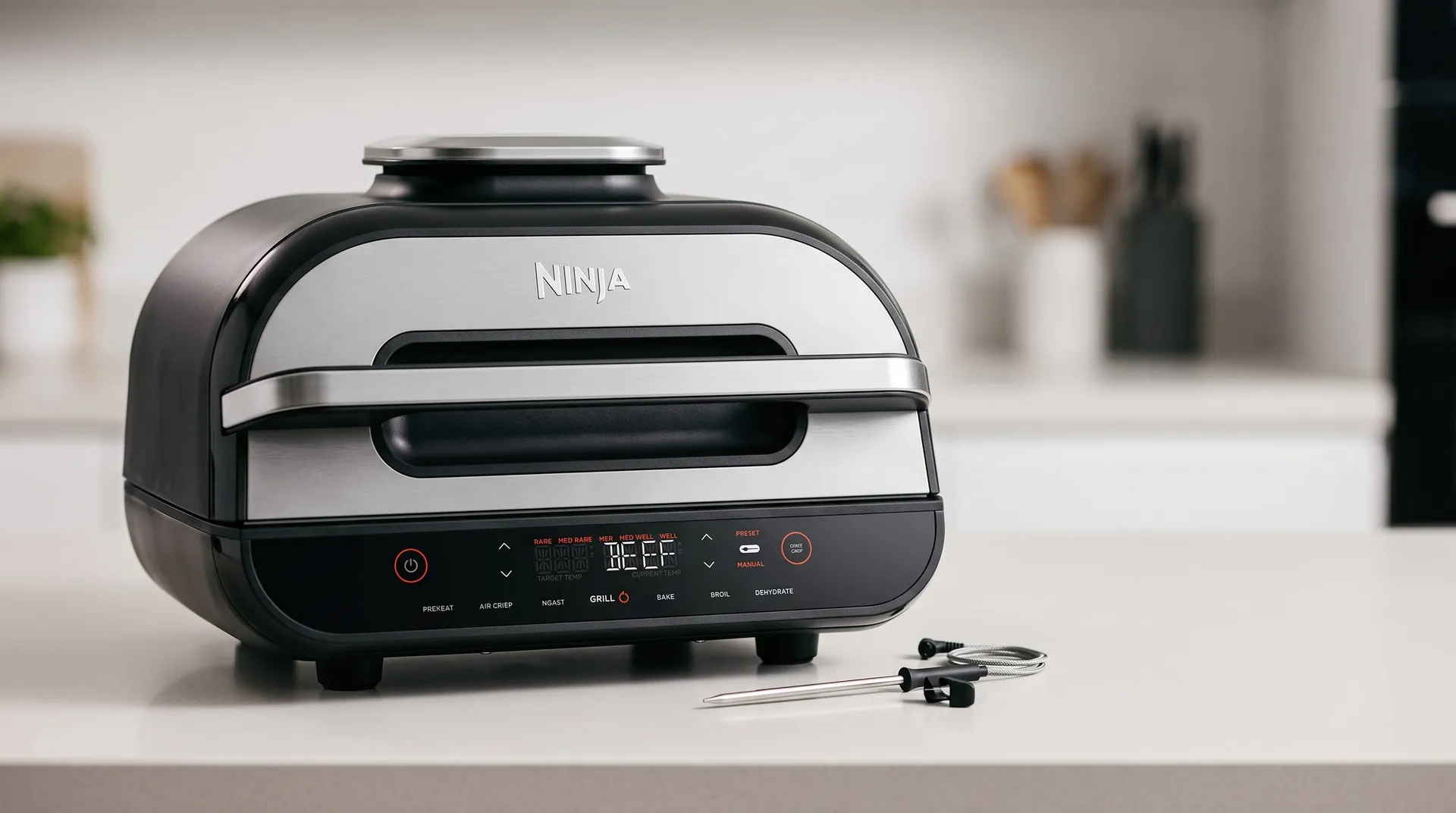
A standard 15-amp, 120V circuit supplies at most 1,800 W, and electrical practice limits continuous loads to 80% of that, about 1,440 W. That's why a grill can trip the breaker when a space heater, kettle or microwave runs on the same circuit. The Sizzle draws about 12 amps and the Masterbuilt's element about 10, and the Foodi uses most of a circuit on its own.
To find out what shares the circuit, switch off its breaker and note which outlets and lights go dead. Then avoid running those appliances while you grill.
Outdoor outlets should be GFCI-protected. A GFCI cuts power in a fraction of a second when current leaks to ground, such as through water or a damaged cord, so press its test button before the season starts.
Watch out: many manuals say to avoid extension cords. If yours allows one, use a short, heavy-gauge (12 or 14 AWG), outdoor-rated cord, because thin cords drop voltage and heat up.
What size do you need?
Size for your usual meals, not the one party a year. For one or two people, either Ninja is plenty. For two to four, the Lumin's grate fits a full round of burgers. For batch smoking for a party, only the Masterbuilt's four racks will do.
A bulky grill takes over a small kitchen or balcony. When friends come over, cook in batches and keep finished food warm in a low oven or a covered pan.
Why do some electric grills sear and others steam?
Gas and charcoal grills heat food mostly with radiant energy from flames or coals. An electric grill heats a metal element, which heats the grate or plate, so searing depends on how much heat the cooking surface can store.
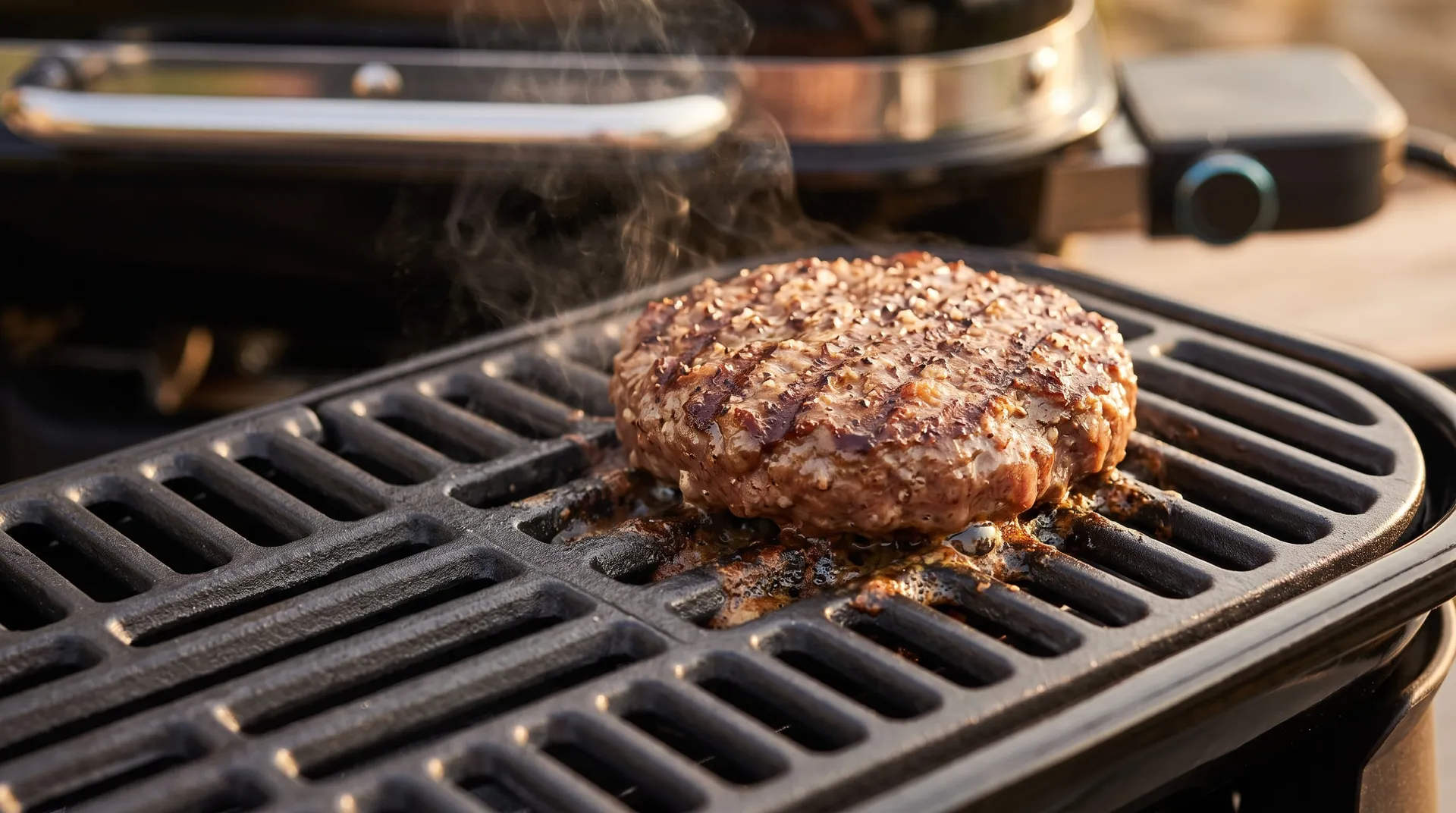
That's why heavy cast iron, like the Lumin's grates, matters. A thin plate cools the moment a cold steak lands, and the surface steams instead of browning. Browning, the Maillard reaction, needs a dry surface and temperatures well above boiling.
- Preheat fully: about 10 minutes, or until the ready light comes on, so the grate stores heat.
- Pat food dry and oil the food, not the grate: less steam, less smoke.
- Keep the lid closed outdoors: it traps heat, especially in wind.
- Cook in batches: crowding drops the surface temperature.
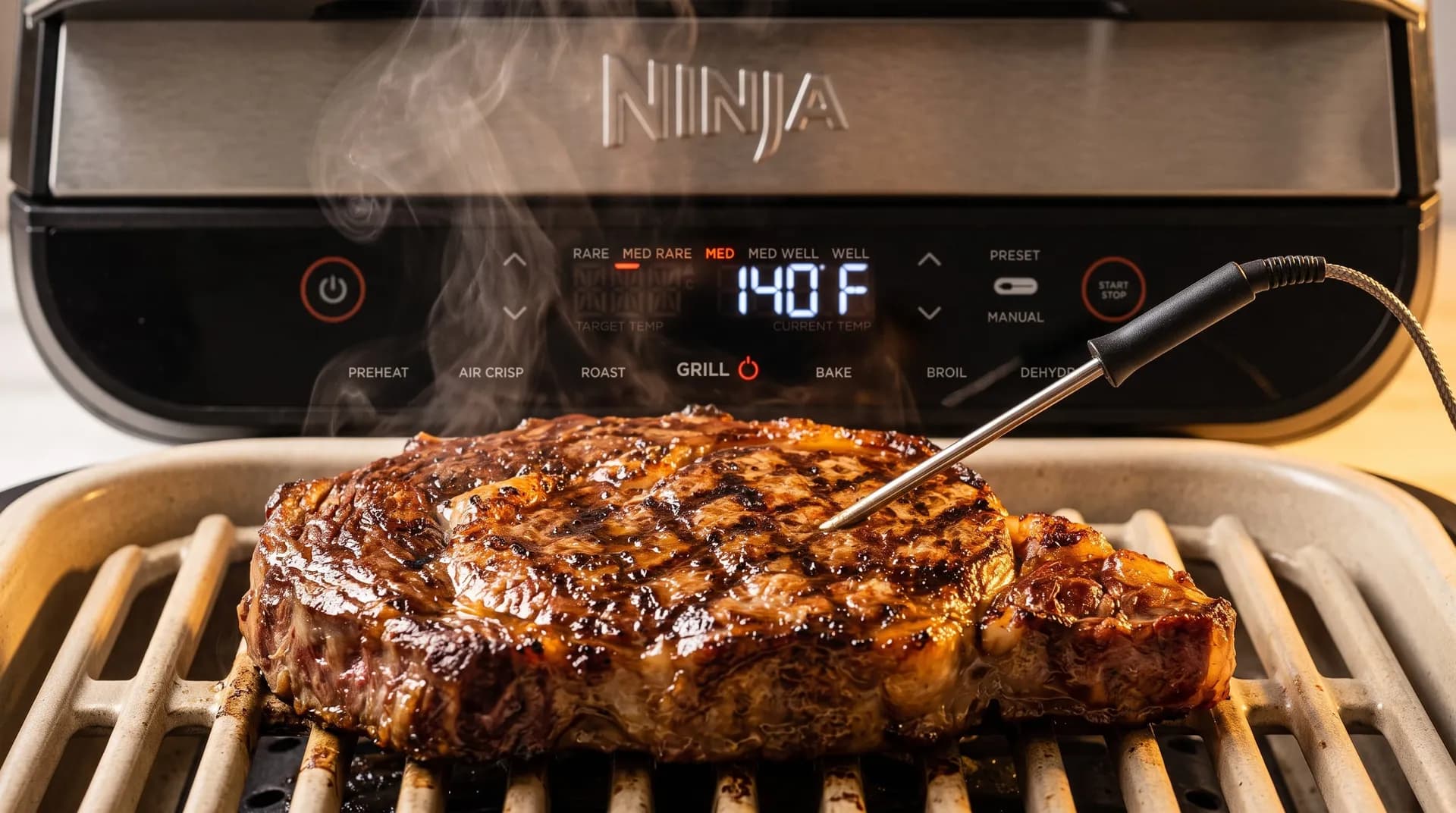
- Use a probe thermometer: electric grills give few visual cues.
Cook to USDA safe minimums: 145°F for whole cuts of beef, pork and lamb with a 3-minute rest, 160°F for ground meat and 165°F for poultry. Our guide on how to grill the perfect steak covers technique, and the meat temperature chart lists pull temperatures for every cut.
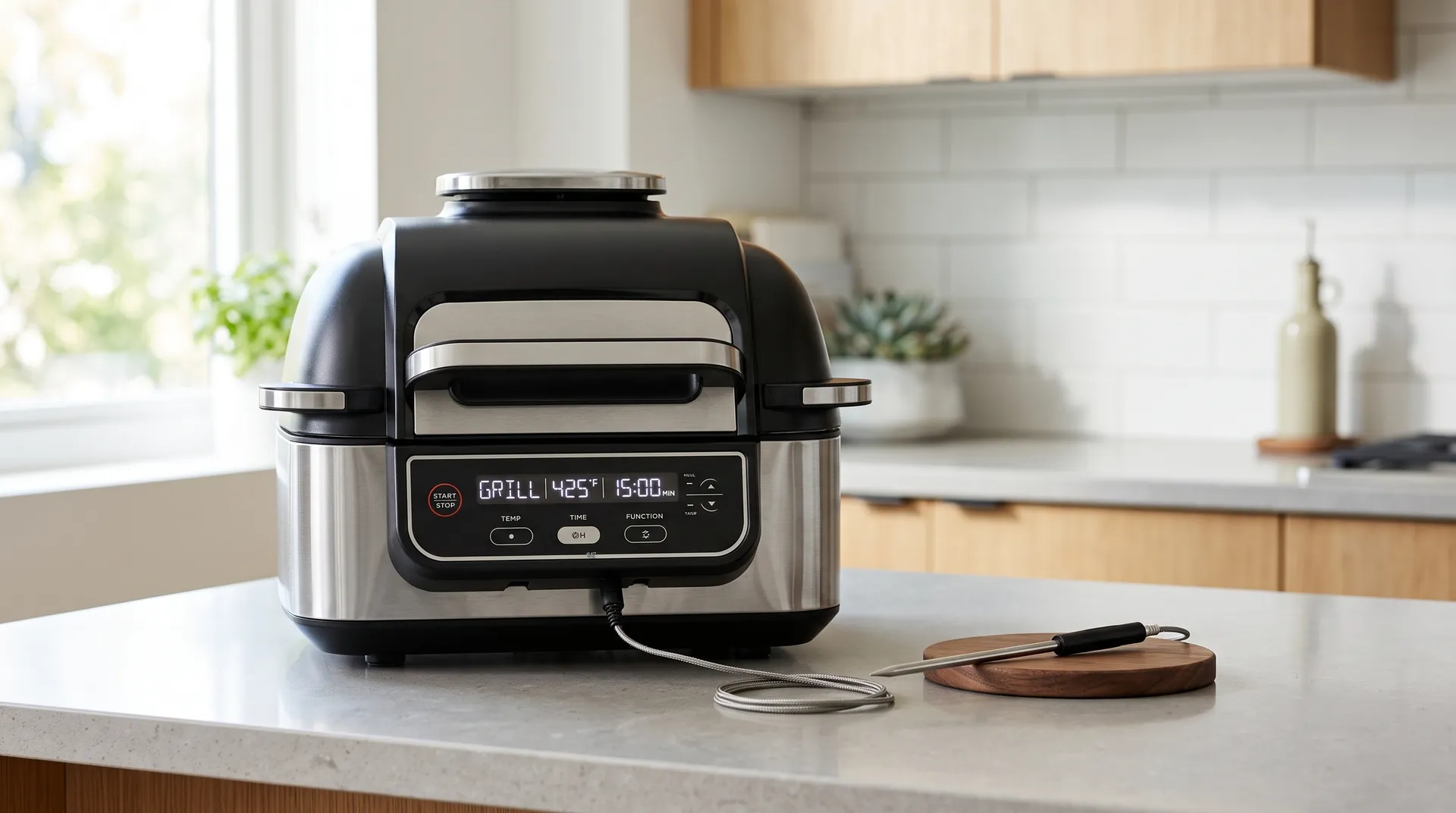 Give a countertop grill open space on all sides, because the vents and lid get hot.
Which cooking surface is best?
The cooking surface decides how an electric grill performs more than any other part.
| Surface | How it behaves | Care |
|---|
| Porcelain-enameled cast iron | Stores the most heat and gives the best grill marks | Brush warm, oil lightly, avoid long soaks |
| Nonstick grill plate | Easy release and cleanup, good marks if fully preheated | Silicone or wood tools and soft sponges only |
| Nonstick griddle plate | Even contact for eggs, pancakes and smash burgers | Same as nonstick grill plates |
| Steel racks in a smoker | Hold food in smoke and air, with no searing | Wash or soak; no seasoning needed |
Removable plates matter indoors. If the cooking surface comes off the base, you can wash it in the sink instead of wiping around an electric element.
Do you need an indoor grill at all?
Compare it with what you already own. An oven broiler handles big batches with no extra appliance, but heat comes only from above and doneness is harder to judge. A cast-iron grill pan sears hard on the stove but fills the kitchen with smoke and is heavy to clean.
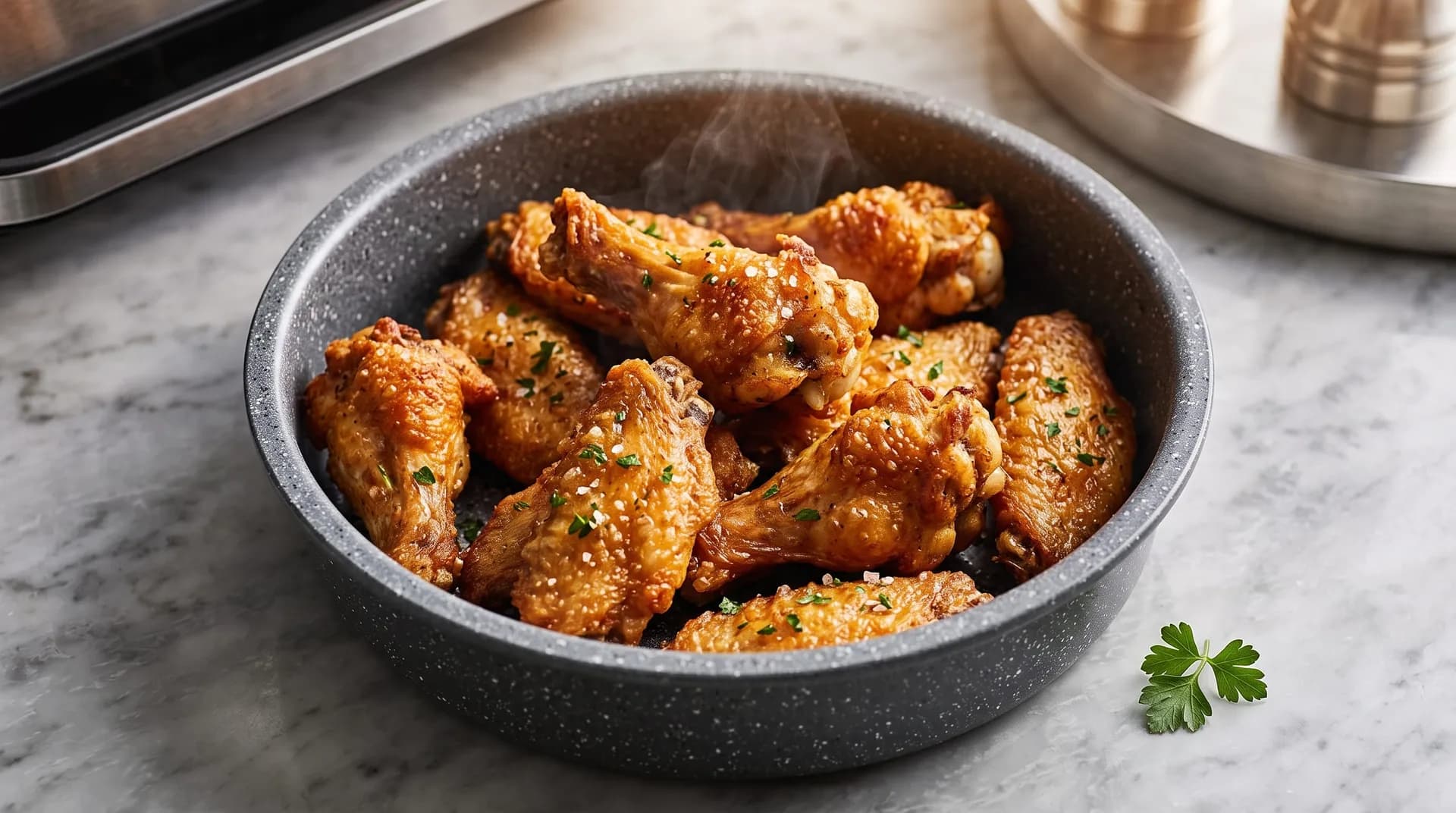
An air fryer does wings, fries and reheating well but can't give a contact sear. If you already own a good cast-iron pan and a strong range hood, you may not need an indoor grill. If you don't, a dedicated grill makes searing simpler and keeps the stovetop free.
How do you keep indoor smoke down?
"Smokeless" grills still make smoke: food smokes when fat and juices hit the hot plate. Run the range hood, trim excess fat, choose leaner cuts and keep plates, lids and splatter shields clean. Test your setup with something lean first, since alarms near kitchens are sensitive.
Alarm type matters too. NFPA notes that ionization alarms react faster to flaming fires and are more prone to cooking nuisance alarms, while photoelectric alarms are better at smoldering fires. Many newer alarms near kitchens are photoelectric or have a hush button for this reason.
How do wind and winter affect an electric grill?
Electric grills lose more heat to wind and cold than gas grills, because the outlet caps their output. Shield the grill from gusts and expect longer preheats on cold days; our guide on how long to preheat a grill covers electric models.
Keep cords and controllers off wet balcony floors. Cover the grill once it's cool, and bring the controller indoors if the manual says to.
How should you set up the balcony?
Place the grill on a stable, level, heat-safe surface. A sturdy table or the grill's own stand beats a wobbly folding table, and a grill mat catches grease that would otherwise stain the floor.
Route the cord so nobody trips on it and it can't be pulled off the table. Think about neighbors upwind and downwind: even an electric grill sends cooking smoke sideways, so pick a corner away from open windows.
Which features are worth paying for?
- Adjustable temperature: a dial or digital setting lets you sear steak hot and cook chicken or vegetables gentler.
- A lid: it traps heat, cuts splatter and lets you cook thicker food through.
- A built-in probe: it removes the guesswork about doneness without opening the lid.
- A good grease tray: look for one that slides out from the front and holds a full cook's fat.
Features that matter less: app connectivity on a grill you stand next to, and preset buttons for foods you rarely cook.
What should you cook first?
Start with foods that forgive mistakes and make little smoke, then work up to fattier cuts once you know how your grill and ventilation behave.
- Boneless chicken thighs or breasts: even thickness shows how evenly your grate heats.
- Shrimp and fish fillets: they cook in minutes and show how fast the grill recovers between batches.
- Vegetables: zucchini, peppers, onions and mushrooms brown well and make almost no smoke.
- Smash burgers on a griddle plate: full contact gives a deep crust without flare-ups.
- Thick steaks last: save ribeye and other fatty cuts until you trust your preheat and your hood.
What can you expect from an electric smoker?
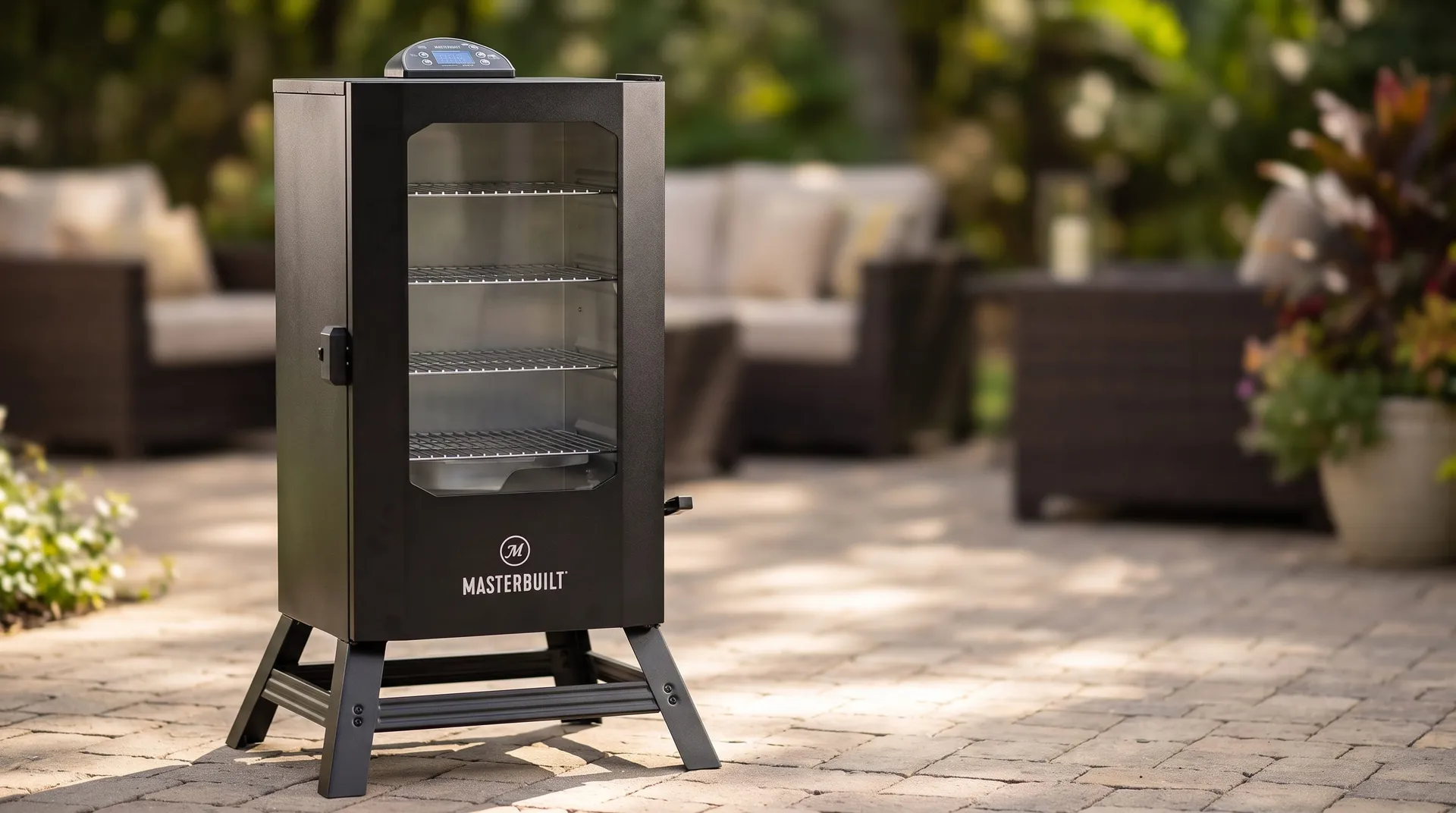
An electric smoker heats with an element and smolders wood chips in a small tray for flavor. You get steady temperatures with almost no fire tending, which suits busy cooks and flame-restricted patios.
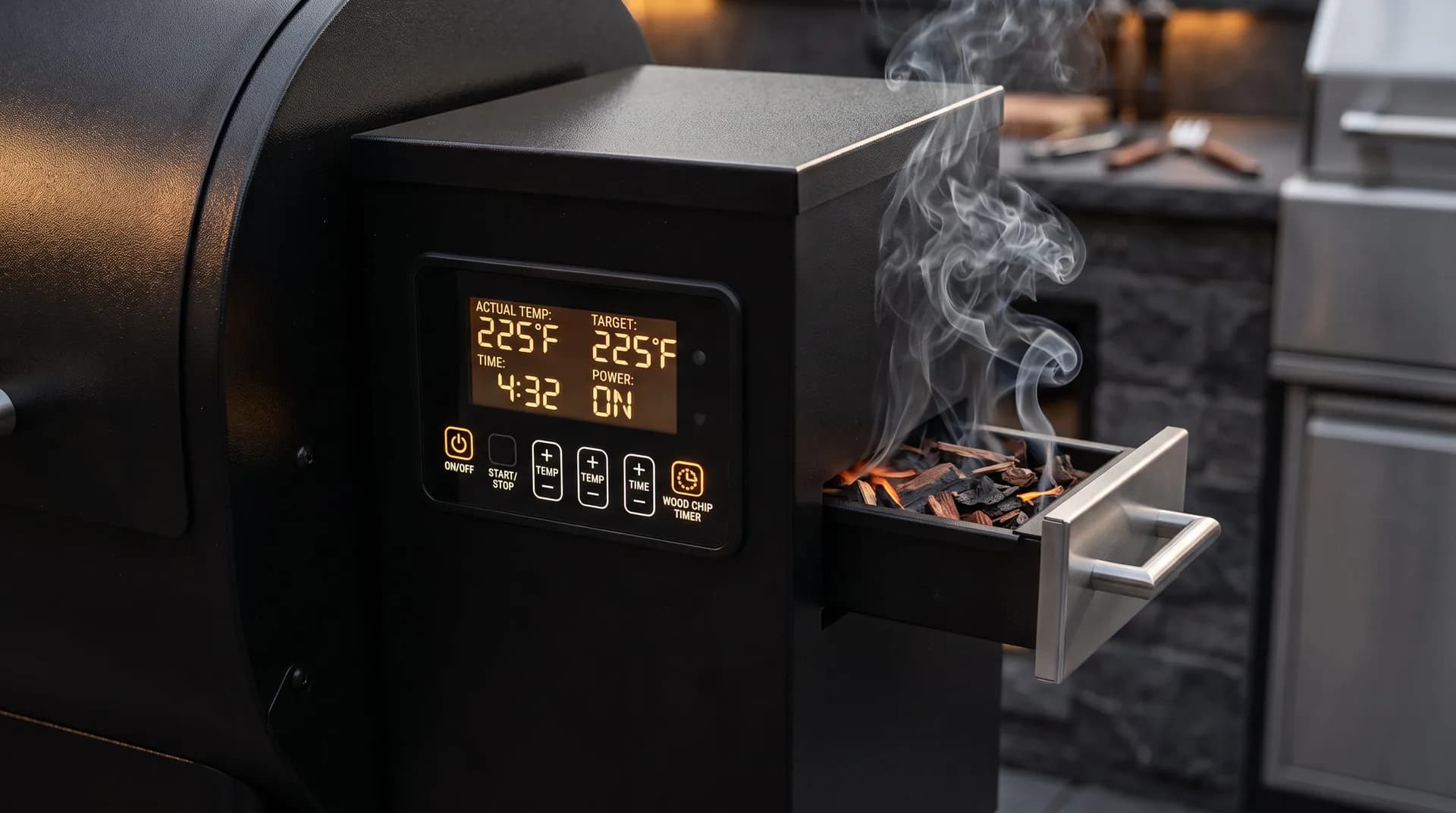 A side chip drawer lets you add wood without opening the door and dumping heat.
The tradeoff is flavor depth. Bark is softer and the smoke taste lighter than from a charcoal or offset smoker, and you can't sear in one. Add about a cup of chips every 45–60 minutes early in the cook for more smoke, and finish smoked chicken or ribs in a hot oven or on an indoor grill for crisper skin.
What does it cost to run and maintain?
Electricity is the cheapest grill fuel for most households. A 1,560 W grill running flat out for an hour uses about 1.6 kWh; at the U.S. average residential rate the EIA reports (roughly 16–17 cents per kWh), that's around 25 cents, and less in practice because the element cycles once it's hot.
The bigger long-term costs are wear parts. Indoor grills live and die by their nonstick coating, and every countertop pick here has a 1-year warranty, so check that replacement plates or grates are sold for your model. Cast-iron grates last longer with basic oiling.
For the Masterbuilt, budget for wood chips and a fitted cover, clean the chip tray before each smoke and watch the door seal as it ages. The controller and heating element are the parts most likely to need replacing.
Empty grease trays after every cook, since old grease smokes the next time you heat up. Our grill cleaning and maintenance guide covers the full routine.