If none of the picks matched you exactly, these are the things that decide whether a cheap grill is a good buy, in the order they matter.
Charcoal or propane under $200?
Under $200, charcoal gets you far more grill. A kettle is a steel bowl with no burners, valves or igniter to fail, so the money goes into the cooker itself.
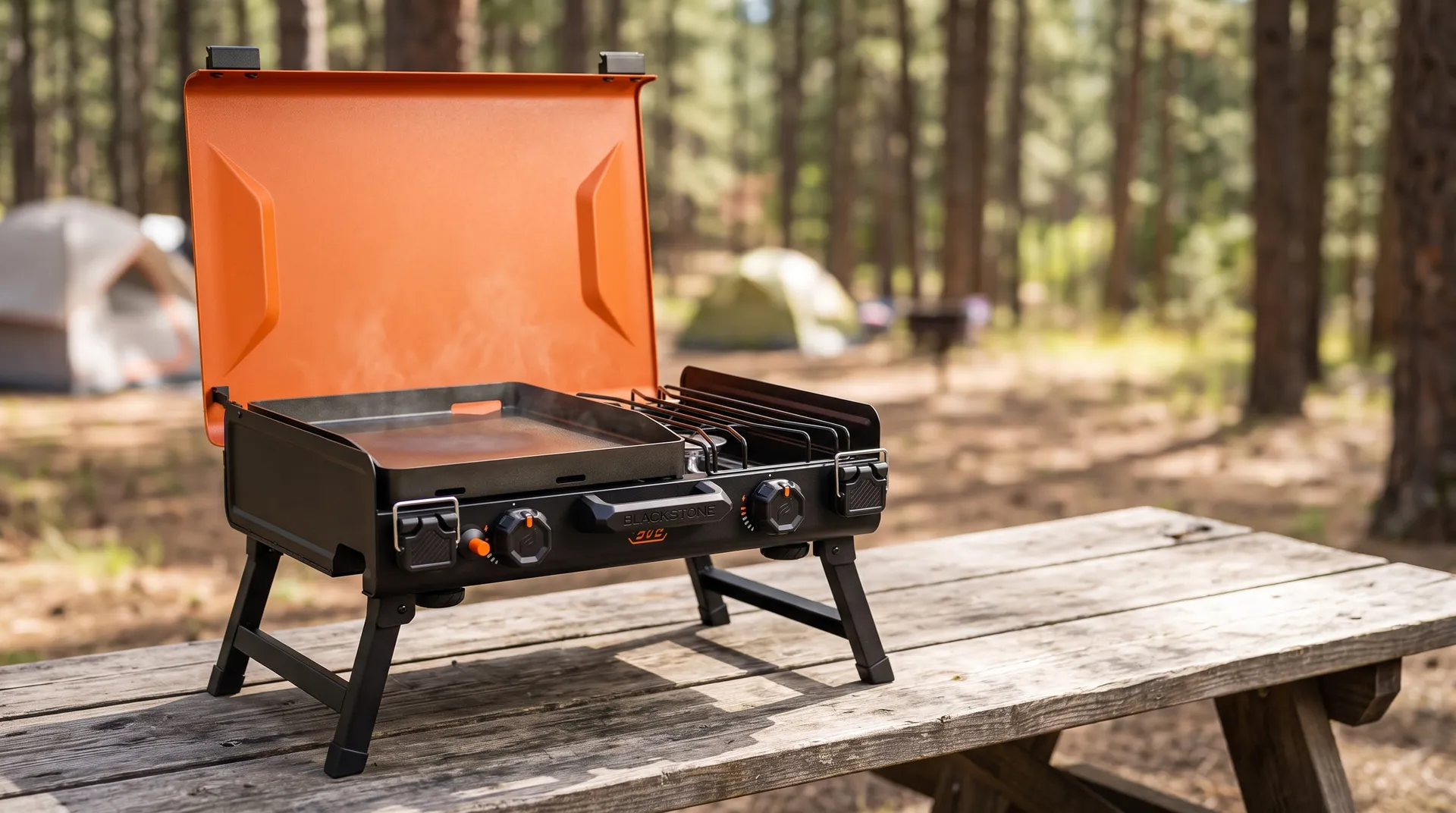
Full-size cart gas grills exist at this price, but they cut corners on burners, grates and steel thickness, and painted fireboxes rust out. That's why every propane pick here is a tabletop model. If you want a proper cart grill, stretch to our best gas grills under $500. For a fuel-by-fuel breakdown, read gas vs charcoal vs pellet grills.
Two-zone cooking matters more than size
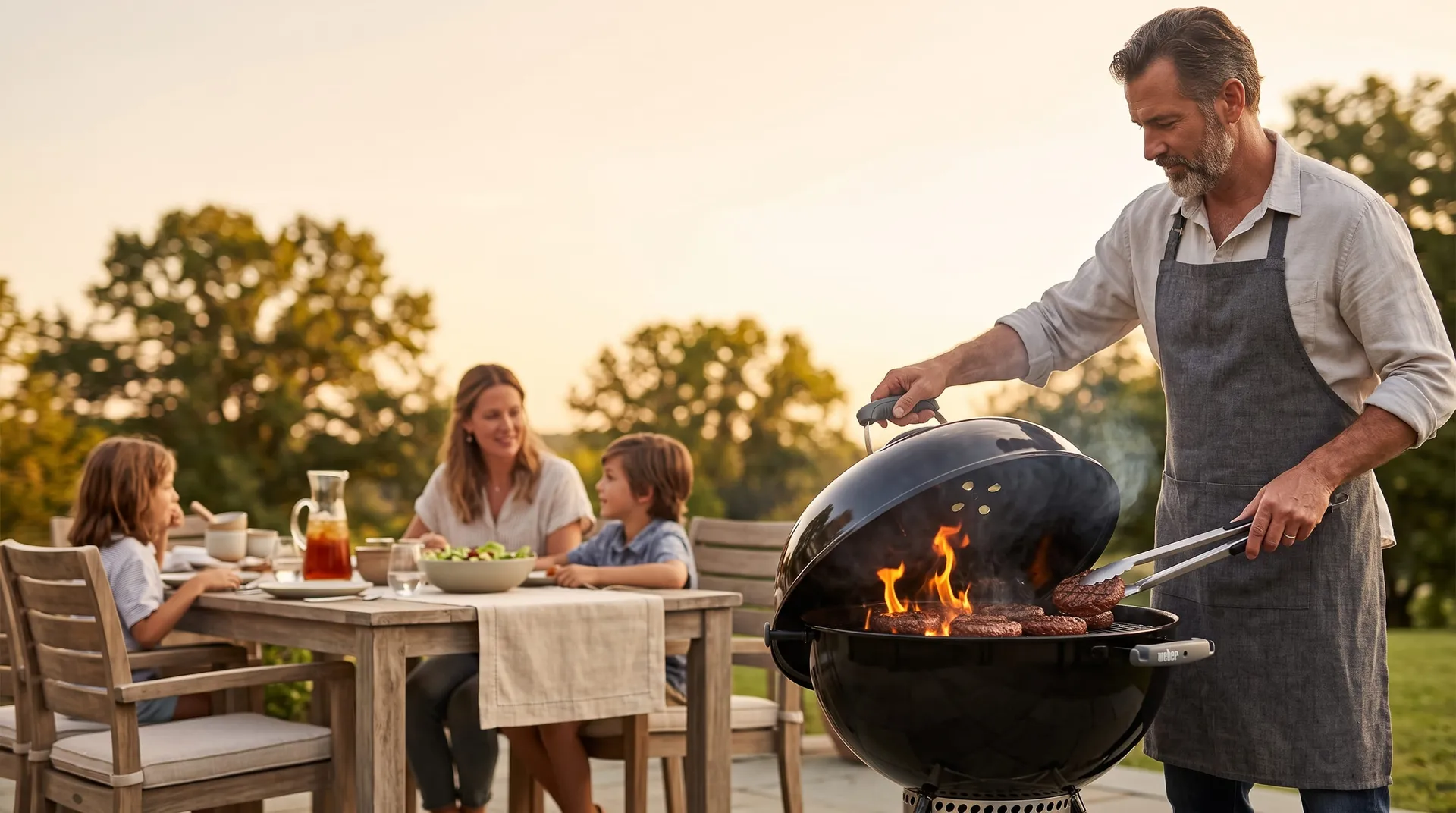
A two-zone fire means hot coals on one side and none on the other. You sear over the coals, then move food to the cool side and close the lid so it roasts like an oven.
That one setup lets a kettle cook thick chicken, roasts and smoked ribs without burning the outside. Single-burner propane grills can't do it, which is their biggest limit. Learn the layout in direct vs indirect grilling.
Size it to your household
Allow roughly 70–100 sq in of main grate per person you usually feed. Count the main grate only, because warming racks don't sear.
| Household | Main grate to look for | Picks that fit |
|---|
| 1–2 people | 150–250 sq in | Smokey Joe, Petite Gourmet, Patio Pro |
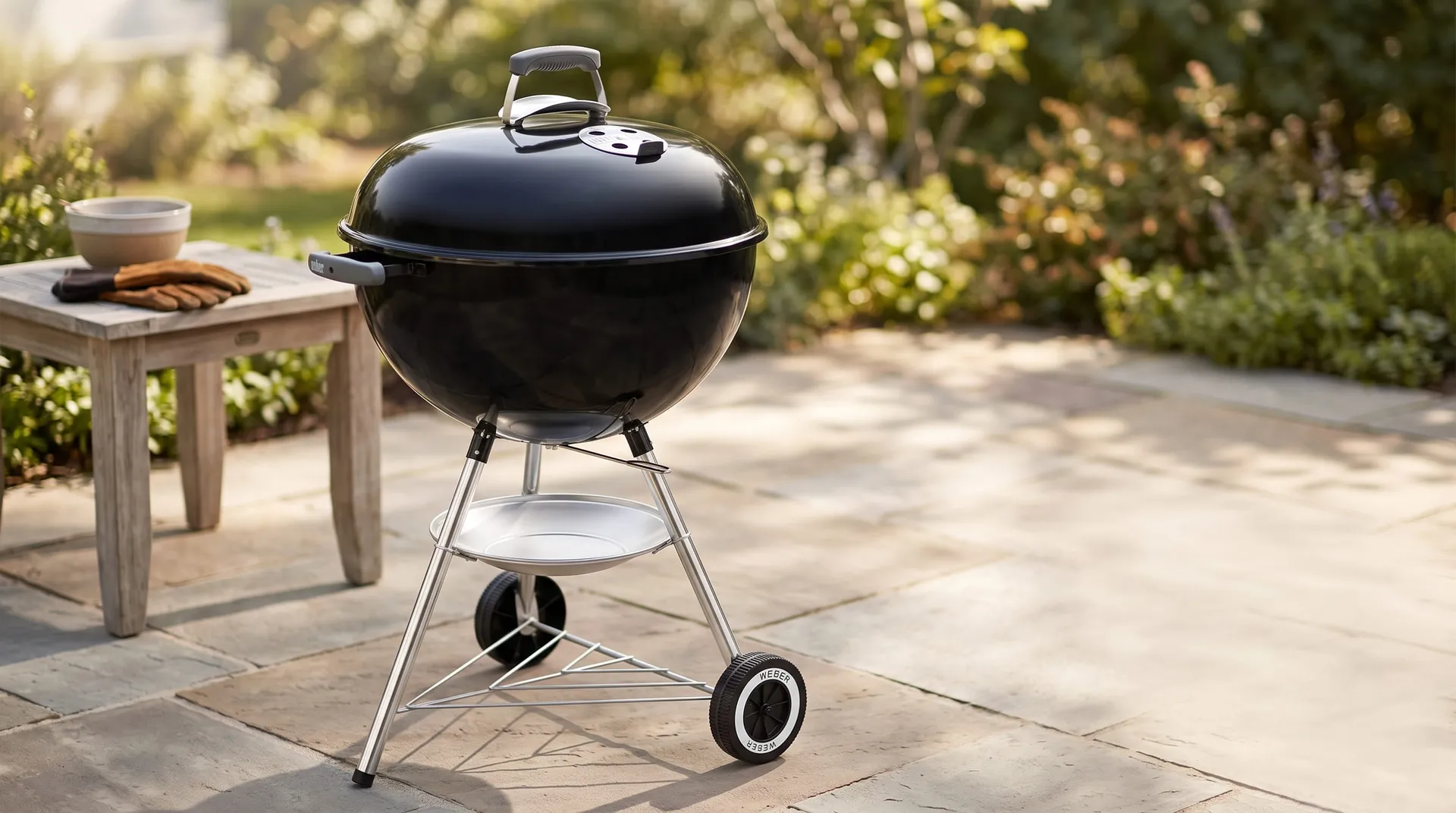
| 3–5 people | 300–400 sq in | Weber Kettle 22 |
| 6+ people or parties | 400+ sq in | Royal Gourmet CC1830S |
 A kettle this size covers most family cookouts in one batch.
Build quality: where budget grills cut corners
Porcelain-enameled steel, like a Weber kettle bowl, resists rust far better than painted steel. Paint burns off near the fire, and the bare steel underneath rusts.
Thin steel also loses heat fast in wind and cold, so the grill burns more fuel to hold temperature. A tight-fitting lid matters for the same reason: every gap leaks air, and leaks make low temperatures hard to hold.
Read the warranty before you buy. Weber's 10-year bowl and lid coverage is rare at this price, while most budget makers cover only certain parts for a year or a few years.
Can you get a good smoker under $200?
Any lidded charcoal grill can smoke if you build a small fire on one side and add a wood chunk. The kettle uses the snake method, a curved line of briquettes that lights slowly from one end, and the barrel grills use their side fireboxes.
Expect to work for it. Thin steel swings with the weather, so keep a probe at grate level and adjust one vent at a time. Our charcoal grill temperature control guide gives the vent settings for 225–275°F. If you know you want hands-off smoking, compare our best smokers for beginners before you buy.
Running costs
Propane is cheapest in refillable 20 lb tanks. Disposable 1 lb cylinders cost far more per pound of gas, so if you grill at home often, an adapter hose for a tabletop grill pays for itself.
Charcoal costs more per cook, but you can cut it. Close every vent after cooking; starved of oxygen, the fire goes out, and the leftover briquettes relight next time.
Small spaces, balconies and rules
Check your lease or HOA before you buy. The International Fire Code bars charcoal and other open-flame grills on combustible balconies or within 10 feet of combustible construction in many apartment buildings. It exempts one- and two-family homes and small LP cylinders up to 2.5 lb water capacity, which covers the standard 1 lb camping cylinder.
That exemption is why small propane grills are often the only legal flame option in apartments. Where flames are banned outright, see our best electric grills for apartments.
Accessories worth the money
A cheap grill plus a few good tools beats an expensive grill with none. These pay off fastest:
- Chimney starter: lights charcoal evenly without lighter fluid and makes the timing of each cook predictable.
- Instant-read thermometer: the surest way to cook chicken and pork safely without drying them out.
- Long tongs and a sturdy spatula: keep your hands away from the heat.
- Grill brush or scraper: clean grates release food and cut flare-ups.
- Adapter hose for propane tabletops: lets a small grill run from a refillable 20 lb tank.
Skip gadget sets with flimsy tools. Two or three good ones beat a case full of bent ones.
Mistakes budget buyers make
- Buying the biggest grill for the money. Thin steel and uneven heat come with it, and rust follows within a few seasons. Put build and warranty ahead of square inches.
- Counting warming racks as cooking space. The grill feels small once you load it. Compare main grate area only.
- Trusting the lid thermometer. Lid gauges read the air near the lid, not the grate. Use a probe or instant-read thermometer for doneness.
- Leaving it on wet ground or grass. Legs and bottoms rust first. Keep it on a dry, hard surface.
Assembly and the first day
Budget grills often ship as a box of parts. Lay everything out, count the hardware against the manual before you start and keep a small tray for bolts. Tighten everything snug, then go over it again once the grill is standing, because a grill that wobbles on day one only gets worse.
Inspect it the day it arrives, since many retailers give you only a short window to report freight damage:
- Porcelain chips: a chip that exposes bare steel will rust.
- Lid fit: set the lid on and look for gaps around the rim.
- Vents and dampers: each should move freely and close fully.
- Grate and legs: the grate should sit level and the legs should be straight.
- Propane parts: check the regulator and hose for cracks, kinks or a bent fitting.
On propane models, leak-test every connection with soapy water before the first light, following your manual. Then run the grill hot with the lid closed for a while to burn off manufacturing oils. Register the grill and keep your receipt, because warranty claims usually need proof of purchase.
Making a cheap grill last
Budget grills rarely die of old age. They die of rust, grease and ash, which a simple grill cleaning and maintenance schedule prevents.
- Empty ash after every cook. Ash absorbs moisture and corrodes steel.
- Scrape the grates while they're still warm.
- Let the grill cool completely before the cover goes on, so moisture isn't trapped.
- Tighten leg and handle bolts each spring, since thin steel flexes and bolts work loose.
- Store spare 1 lb propane cylinders outdoors or in a detached shed, never in the house or an attached garage.
Watch out: grease is the usual fuel for grill fires. Clean the grease tray often and keep any grill well away from siding, railings and overhanging branches.