Best Wood Chips for Smoking (Flavor Guide)
Best wood chips for smoking in 2026: which wood pairs with which meat, chips vs chunks vs pellets, and how much wood is too much, from our testing team.
Wood Choice Matters More Than Most Beginners Realize
The single biggest flavor variable in smoking isn't the smoker you own — it's the wood you burn in it. Two identical briskets, cooked at identical temperatures on identical smokers, will taste noticeably different if one used mesquite and the other used cherry. This guide breaks down every major smoking wood by flavor profile, which meats it pairs with, and how to actually use it, whether you're running a pellet smoker, an offset, or wood chips in a foil packet on a gas grill.
Quick Answer: Wood Pairing Cheat Sheet
| Wood Type | Intensity | Flavor Profile | Best Paired With |
|---|---|---|---|
| Mesquite | Very strong | Earthy, intense, slightly bitter if overused | Beef brisket, short ribs (use sparingly) |
| Hickory | Strong | Bacon-like, robust, classic BBQ | Pork shoulder, ribs, beef |
| Oak | Medium-strong | Balanced, smoky without being sharp | All-purpose — great starter wood |
| Pecan | Medium | Nutty, sweet, milder cousin of hickory | Pork, poultry, cheese |
| Apple | Mild | Sweet, fruity, subtle | Chicken, pork, fish |
| Cherry | Mild | Sweet, adds a reddish color to the bark | Poultry, pork, beef (great for color) |
| Maple | Mild | Delicate, slightly sweet | Poultry, vegetables, cheese |
| Alder | Very mild | Light, slightly sweet | Fish, especially salmon |
If you're smoking your first cook ever, start with oak, apple, or cherry. They're forgiving, hard to overpower food with, and give you a baseline to judge stronger woods like hickory and mesquite against on your next attempt.
Understanding Smoke Intensity
Why "Strong" Doesn't Mean "Better"
New smokers often assume more smoke flavor equals a better result. It doesn't. Oversmoked food develops a bitter, acrid taste from excess creosote — the byproduct of thick, poorly combusted smoke — rather than a pleasant smoky flavor. The goal across every wood on this list is thin, blue smoke, not the thick white or black smoke that signals incomplete combustion.
Matching Wood Strength to Cook Length
Long cooks absorb more smoke over time, so a strong wood like mesquite on a 12-hour brisket can quickly become overpowering, while the same wood on a 45-minute cook of chicken thighs barely registers. As a rule of thumb, save the strongest woods (mesquite, hickory) for shorter cooks or large, fatty cuts that can stand up to bold flavor, and lean on milder woods (apple, cherry, maple) for longer cooks or delicate proteins.
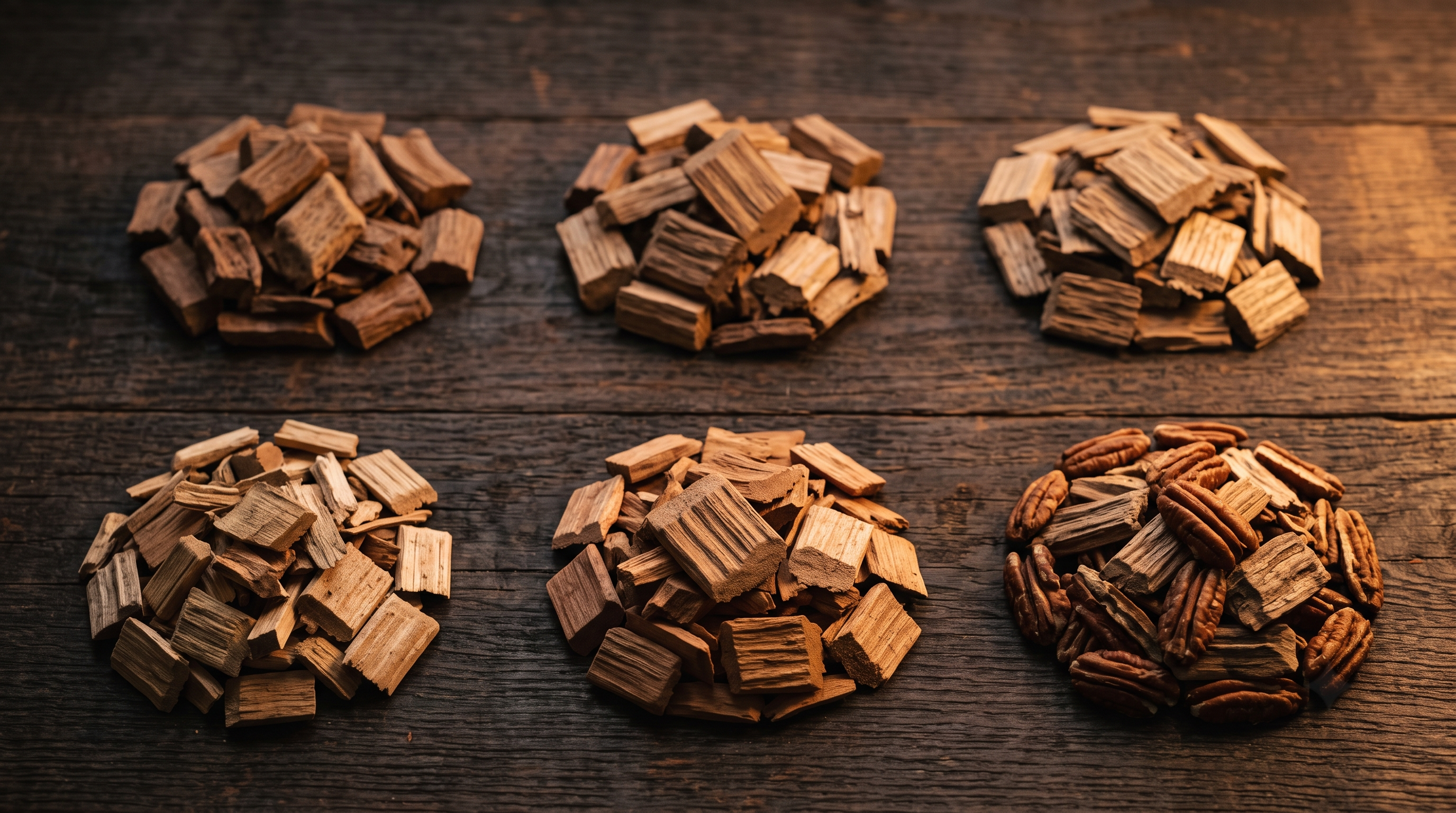
Wood-by-Wood Breakdown
Mesquite
The strongest, most assertive smoking wood in common use, with an earthy, almost peppery intensity. Mesquite burns hot and fast, which makes it a favorite for Texas-style beef brisket, but it turns bitter quickly if oversmoked. Use it sparingly — many experienced pitmasters blend it with a milder wood like oak rather than running it alone for a full long cook.
Hickory
The classic American barbecue wood, with a robust, bacon-like flavor that defines what most people picture when they think "smoked meat." Versatile enough for pork shoulder, ribs, and beef, and more forgiving than mesquite over a long cook, though it can still turn bitter in excess on delicate cuts.
Oak
A balanced, medium-strong wood that pairs with nearly anything, which is why it's the base wood used at many competition barbecue teams and the wood we recommend most often to first-time smokers. It burns cleanly and consistently, producing smoky flavor without the sharp edge mesquite can bring.
Pecan
A milder, sweeter relative of hickory — nutty rather than bacon-like, and gentle enough to use generously on longer cooks without risk of overpowering the meat. A strong choice for pork and poultry when you want more character than apple or cherry but without stepping up to hickory's intensity.
Apple
One of the most popular fruit woods, producing a mild, subtly sweet smoke that works well on chicken, pork, and fish. Apple is forgiving even in larger quantities, making it a safe default for beginners still learning to judge smoke levels by taste rather than guesswork.
Cherry
Similar in mildness to apple, with a slightly sweeter profile and a distinctive effect on color — cherry smoke gives meat a deep reddish-mahogany bark that many pitmasters use specifically for visual appeal on competition-style ribs and pork shoulder, in addition to its flavor.
Maple
A delicate, slightly sweet wood best suited to poultry, vegetables, and cheese, where a heavier wood would overwhelm the ingredient's natural flavor. Less commonly used for red meat, since its subtlety tends to get lost against bolder cuts like brisket.
Alder
The mildest wood on this list, traditionally associated with Pacific Northwest salmon smoking. Its light, faintly sweet smoke is gentle enough not to compete with delicate fish, which is exactly why it became the standard wood for that application.
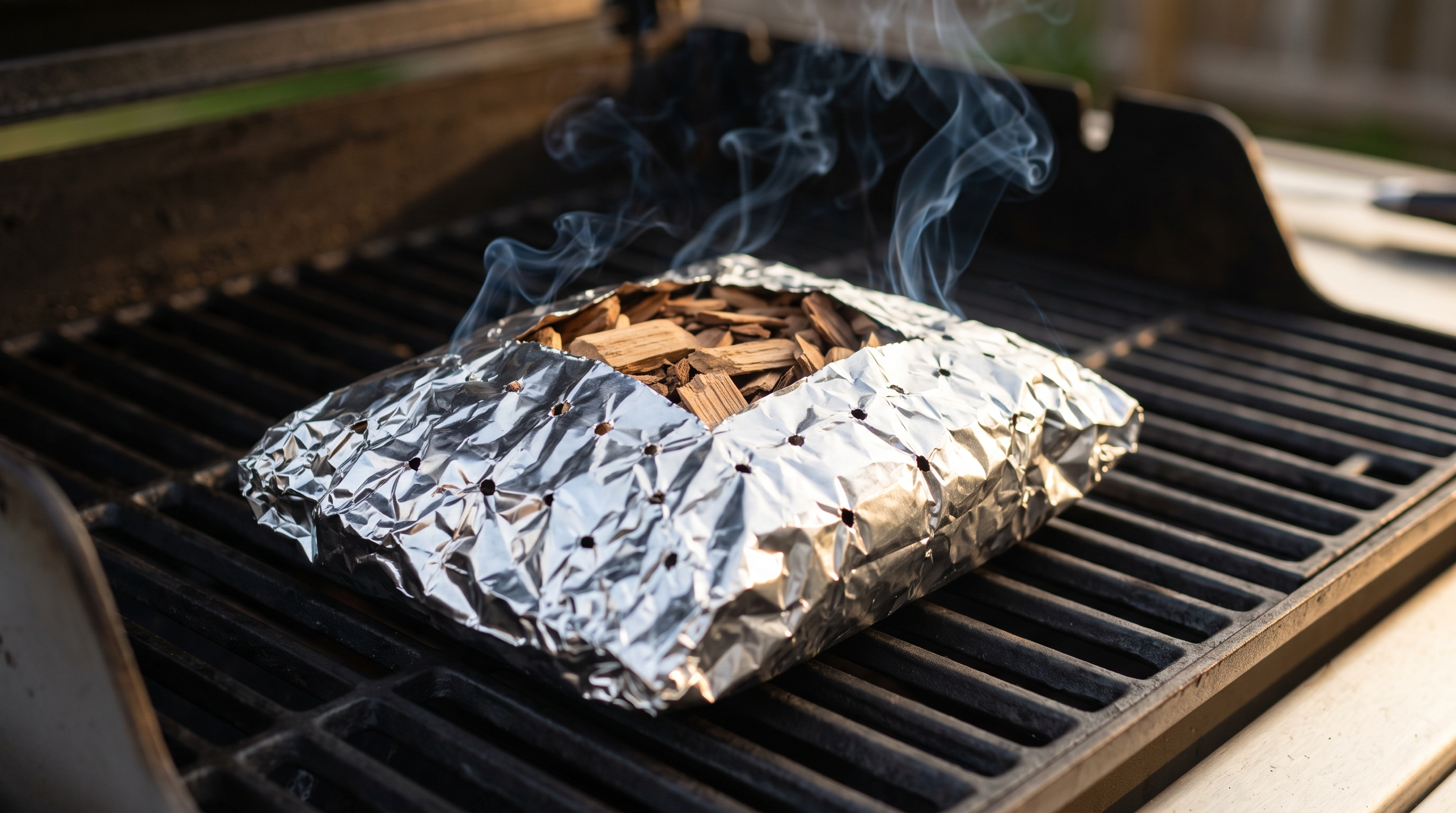
Chips vs. Chunks vs. Pellets vs. Logs
Wood Chips
Small, thin pieces that ignite and burn quickly, typically lasting 20–45 minutes before needing replacement. Best suited to gas grills (in a foil packet or smoker box) and shorter smokes, since they're impractical to keep feeding into a long cook every half hour.
Wood Chunks
Fist-sized pieces that burn slower and longer than chips, typically 45 minutes to over an hour each, making them the standard choice for charcoal smokers like the Weber Smokey Mountain 18-Inch and offset units like the Royal Gourmet CC1830S, where you're adding fuel periodically anyway and can tuck chunks in alongside charcoal.
Wood Pellets
Compressed sawdust pellets designed specifically for pellet smokers, like the Traeger Pro 34, where an auger feeds them automatically from a hopper. Pellets aren't interchangeable with chips or chunks in most non-pellet smokers — they're engineered to feed through an auger mechanism, not sit in a firebox.
Full Logs
Used almost exclusively in offset smokers built for stick-burning, where the log itself is the primary fuel and heat source, not just a flavor addition. This is the most hands-on, skill-intensive approach and generally not where beginners should start.
Do You Need to Soak Wood Chips First?
This is one of the most persistent myths in smoking, and the honest answer is: not really. Wood chips are porous but not sponge-like — soaking mostly adds surface moisture that steams off in the first few minutes of heat rather than meaningfully slowing combustion or increasing smoke output. Many experienced pitmasters skip soaking entirely and get equally good results. If you prefer to soak out of habit, 30 minutes is plenty; soaking overnight makes no measurable difference over a shorter soak.
How Much Wood Is Too Much?
The Thin Blue Smoke Rule
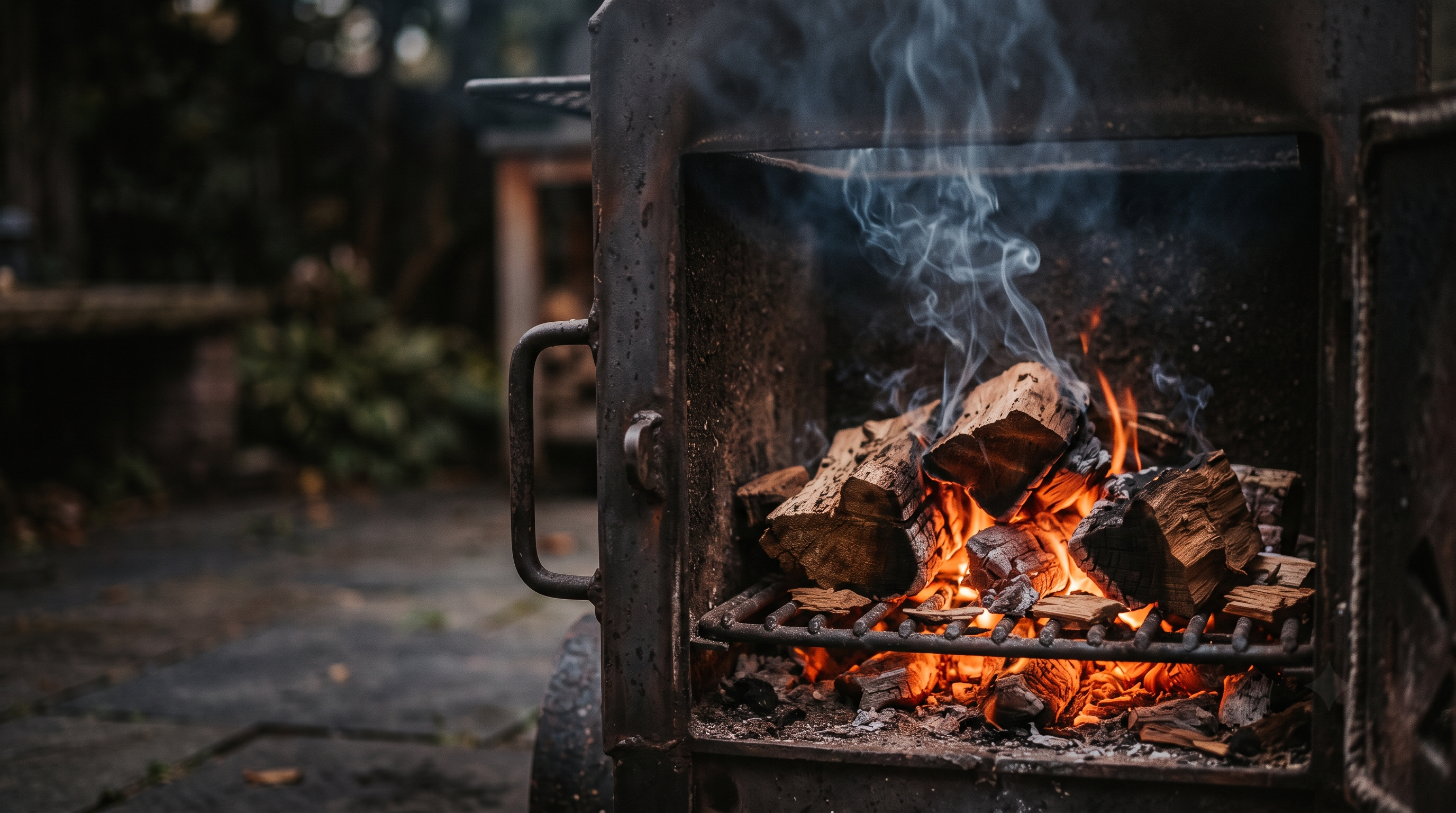
Regardless of wood type, the visual signal to watch for is thin, wispy blue-grey smoke, not thick white or black billowing smoke. Thin blue smoke means clean, mostly complete combustion — the flavor you actually want. Heavy white smoke usually means too much wood added at once, or wood that's smoldering rather than burning cleanly, and it's the leading cause of the bitter, acrid "oversmoked" taste beginners run into.
A Practical Starting Point
For a typical low-and-slow cook (pork shoulder, brisket, ribs), 2–4 chunks of wood spread across the total cook time is a reasonable starting point on a charcoal or offset smoker — you can always add more on your next cook if you want a stronger result, but you can't remove smoke flavor once it's there. On a pellet smoker, this isn't a concern in the same way, since the pellets themselves are both fuel and flavor source, burning continuously at a controlled rate rather than being added in discrete batches.
Wood Pairing by Meat Type
Beef (Brisket, Short Ribs, Steak)
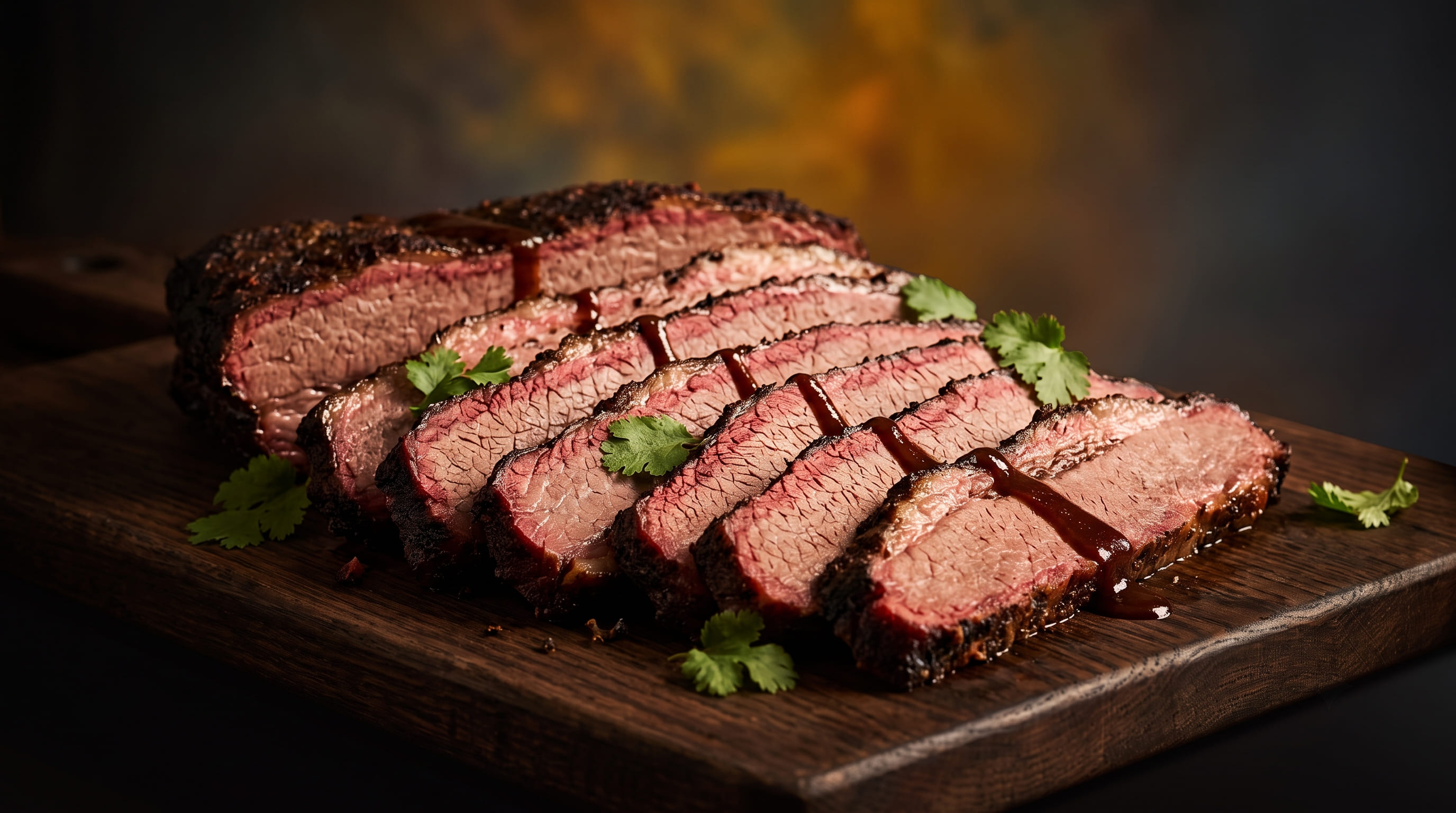
Beef stands up well to strong wood. Mesquite and hickory are the classic pairings, especially for brisket, where the long cook time and thick fat cap can handle — and often benefit from — a bolder smoke profile.
Pork (Shoulder, Ribs, Chops)
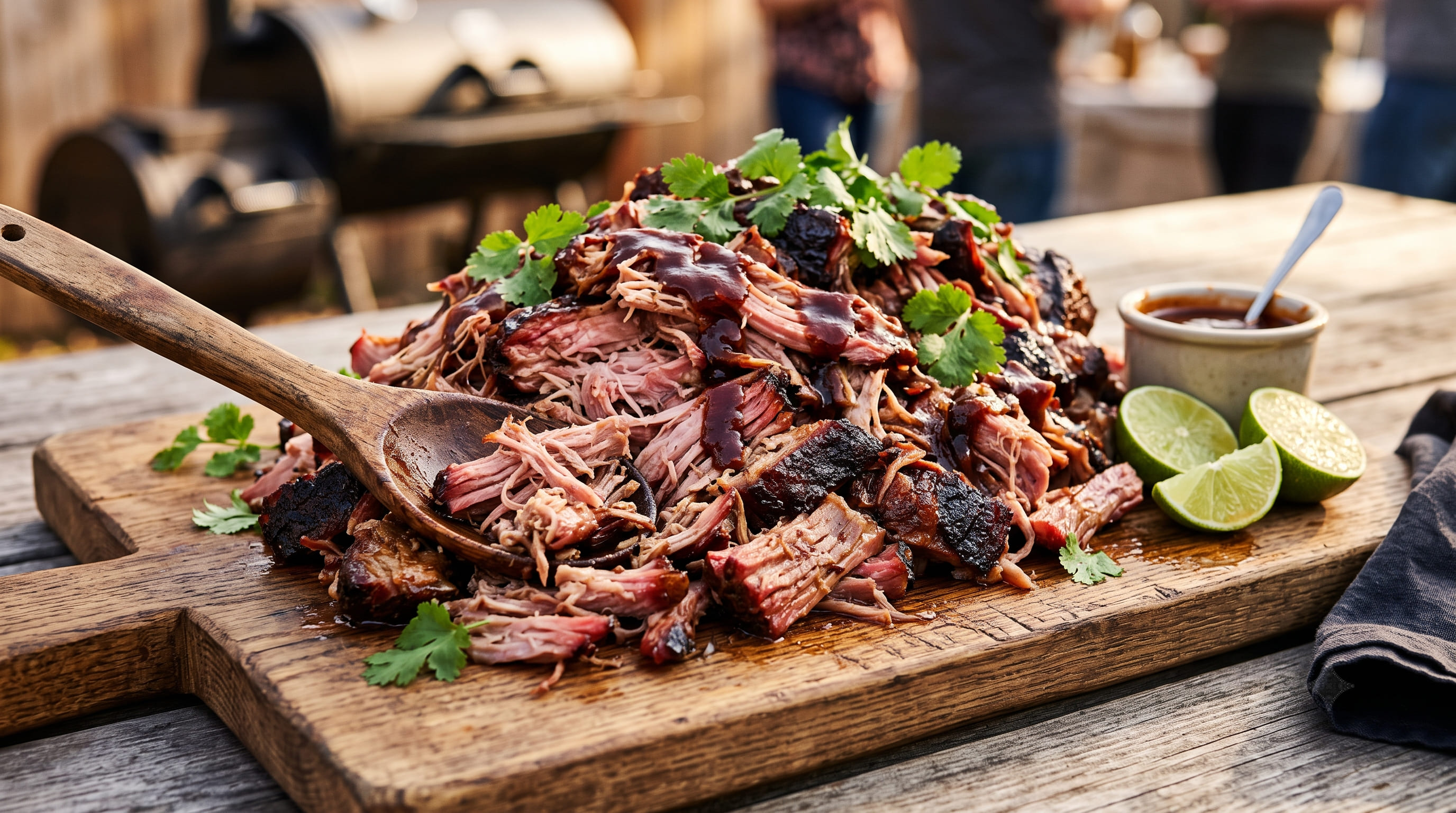
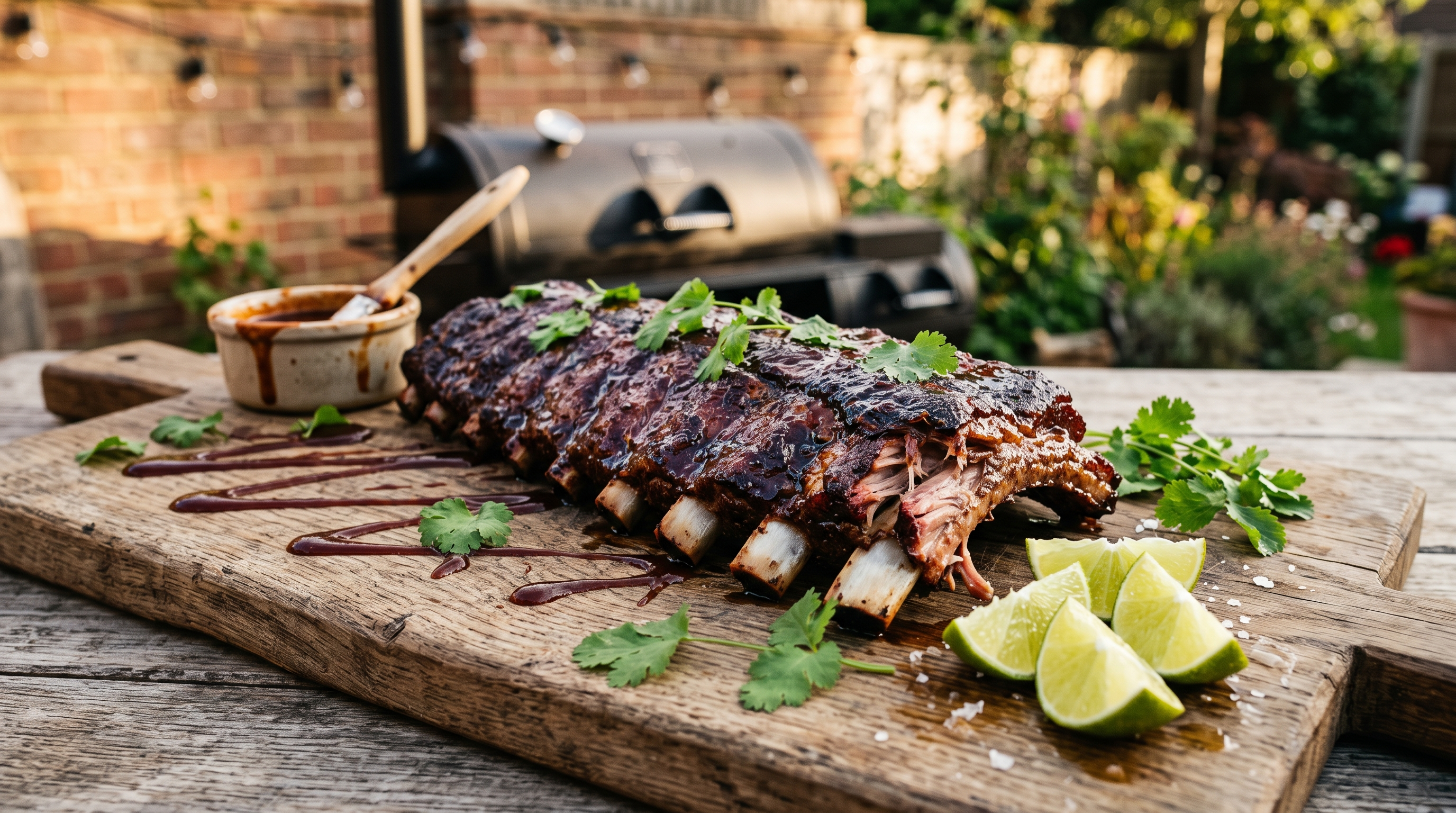
Pork is versatile and pairs well across the spectrum, from hickory and oak on the stronger end to apple, cherry, and pecan on the milder end. Cherry in particular is a competition-circuit favorite for pork ribs, both for flavor and the reddish bark color it produces.
Poultry (Chicken, Turkey)
Poultry's milder flavor is easy to overpower, so apple, cherry, maple, and pecan are the safer choices. Save mesquite and hickory for poultry only if you specifically want a bold, assertive result — most beginners find it too heavy on chicken.
Fish (Salmon, Trout)
Fish is the most delicate category and calls for the mildest woods available — alder is the traditional choice, with apple and maple as reasonable alternatives. Stronger woods will almost always overwhelm fish's natural flavor.
Can You Mix Wood Types?
Yes, and many experienced smokers do exactly that — blending a stronger base wood like oak or hickory with a smaller amount of a fruit wood like cherry or apple for both flavor complexity and better bark color. A common starting blend is roughly 2 parts oak or hickory to 1 part cherry or apple, adjusted to taste on your next cook based on how the first one turned out.
Frequently Asked Questions
What is the best all-around wood for smoking meat?
Oak is the most versatile choice for beginners — balanced, forgiving, and pairs reasonably well with beef, pork, and poultry alike, without the risk of overpowering a cook the way mesquite can.
Do I need to soak wood chips before smoking?
Not really. Soaking adds surface moisture that mostly steams off in the first few minutes and doesn't meaningfully change smoke output or burn time. If you want to soak out of habit, 30 minutes is sufficient — longer soaking makes no measurable difference.
What's the difference between wood chips and wood chunks?
Chips are smaller and burn faster (20–45 minutes), better suited to gas grills and shorter cooks. Chunks are larger and burn longer (45+ minutes), making them the standard choice for charcoal and offset smokers on longer cooks.
Can I use wood pellets in a charcoal or offset smoker?
Not effectively. Pellets are designed to feed through a pellet smoker's auger mechanism and don't burn the same way loose in a charcoal firebox or offset chamber — use chunks or chips in those smokers instead.
What wood should I use for my first smoke?
Oak, apple, or cherry. All three are forgiving, hard to overpower food with even if you use more than intended, and give you a solid baseline before experimenting with stronger woods like hickory or mesquite on future cooks.
How do I know if I'm using too much wood?
Watch the smoke color, not the amount of wood. Thin, wispy blue-grey smoke means good combustion regardless of quantity; thick white or black smoke signals oversmoking or incomplete combustion and is the leading cause of bitter, acrid flavor.
Final Takeaway
Wood choice is the flavor variable most beginners underestimate — the difference between a forgettable smoked dinner and a genuinely great one often comes down to picking a wood that matches both the meat and the cook length, not the smoker itself. Start mild with oak, apple, or cherry, watch for thin blue smoke rather than judging by quantity, and build toward stronger woods like hickory and mesquite as you get a feel for how intensity builds over a long cook.
For more on getting the fire itself right, see our charcoal grill temperature control guide or our best smokers for beginners if you're still deciding on equipment. Ready to shop? Browse our full grill and smoker reviews.
Ready to shop? Browse our top-rated grill picks to find your perfect match.